

















In a move intended to modernize a transit system often defined by its aging infrastructure, Governor Kathy Hochul announced Thursday that the Metropolitan Transportation Authority has begun the formal process of purchasing up to 2,390 new subway cars. The procurement represents the largest subway car purchase in the history of the agency and signals a massive shift toward a more reliable and technologically advanced future for millions of daily commuters.
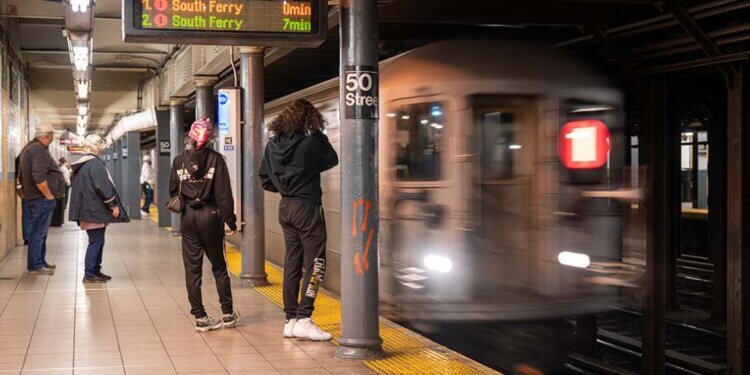
The request for proposals marks a turning point for the “A Division” of the system which are the numbered lines that serve Manhattan, the Bronx, and Brooklyn. The order includes a base of 1,140 cars intended to replace the R62 and R62A fleets currently operating on the 1, 3, and 6 lines. If all options are exercised, the new fleet will also replace cars on the 2, 4, and 5 lines, effectively modernizing over 36 percent of the entire subway fleet.
A Modern Standard for the Rails
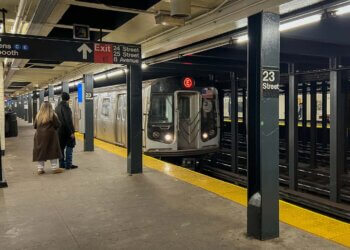
The new fleet, designated as the R262 model, will replace cars that have been in operation since the 1980s. Transit officials noted that while the vintage cars have achieved historic on time performance recently, their mechanical reality involves high maintenance costs and an average distance between failures of only 89,000 miles. The new R262 cars are required to meet a standard of 200,000 miles between such issues.
The upcoming cars will incorporate several innovations designed to improve the passenger experience:
- Open Gangway Designs: Flexible bellows between cars that allow passengers to move freely throughout the train, increasing capacity and safety.
- Digital Displays: Real time information screens providing clearer updates on service changes and station arrivals.
- Enhanced Security: Onboard cameras and platform edge CCTV, along with electronic locks to prevent unauthorized cab access.
- Wider Doorways: Standardized wider openings to speed up boarding and improve accessibility for riders using wheelchairs.
“Thousands of new subway cars running better service and a more reliable ride for millions every day — that’s what we can achieve when we fully invest in transit,” Governor Hochul said. “By bringing even more open gangway cars to the subway, we can make real improvements to riders’ safety and overall experience.”
Economic Engines and Manufacturing
The purchase is funded by the MTA 2025-2029 Capital Plan, a $68 billion program supported by the Governor and the State Legislature. Beyond the benefits for straphangers, the scale of the order is designed to trigger a wave of industrial activity. The MTA has modernized its procurement approach to encourage innovation and attract a wide range of global manufacturers, provided they can meet the rigorous delivery timelines.
Janno Lieber, the Chair and Chief Executive of the MTA, emphasized the visibility of the investment. “So much of our capital investment goes unseen,” Lieber said. “But this next subway car order – our largest ever — is a major step to visibly delivering the modern transit system New Yorkers deserve.”
The Road Ahead
The bidding process is set to conclude with proposals due on September 8, 2026. A contract is expected to be awarded by early 2028. For a city still navigating the complexities of post pandemic ridership, which recently surpassed 4.6 million daily riders, the promise of a cleaner and more frequent commute is viewed as a necessity for the continued growth of the metropolitan region.