






























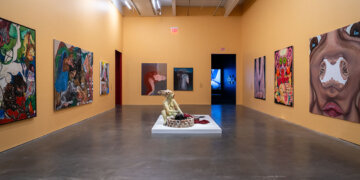


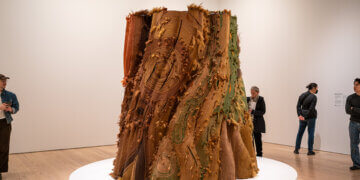




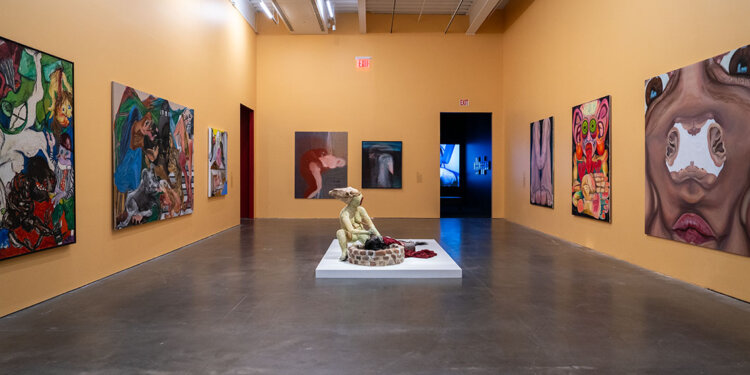
I stood before a screen in the newly expanded New Museum on a Tuesday morning and for a fleeting moment I forgot to breathe. The figure staring back at me was not quite a person but certainly not a ghost. This is the central tension of New Humans: Memories of the Future, a sprawling exhibition that marks the long awaited reopening of the institution. It asks us to consider what remains when the boundaries between biology and code finally dissolve.
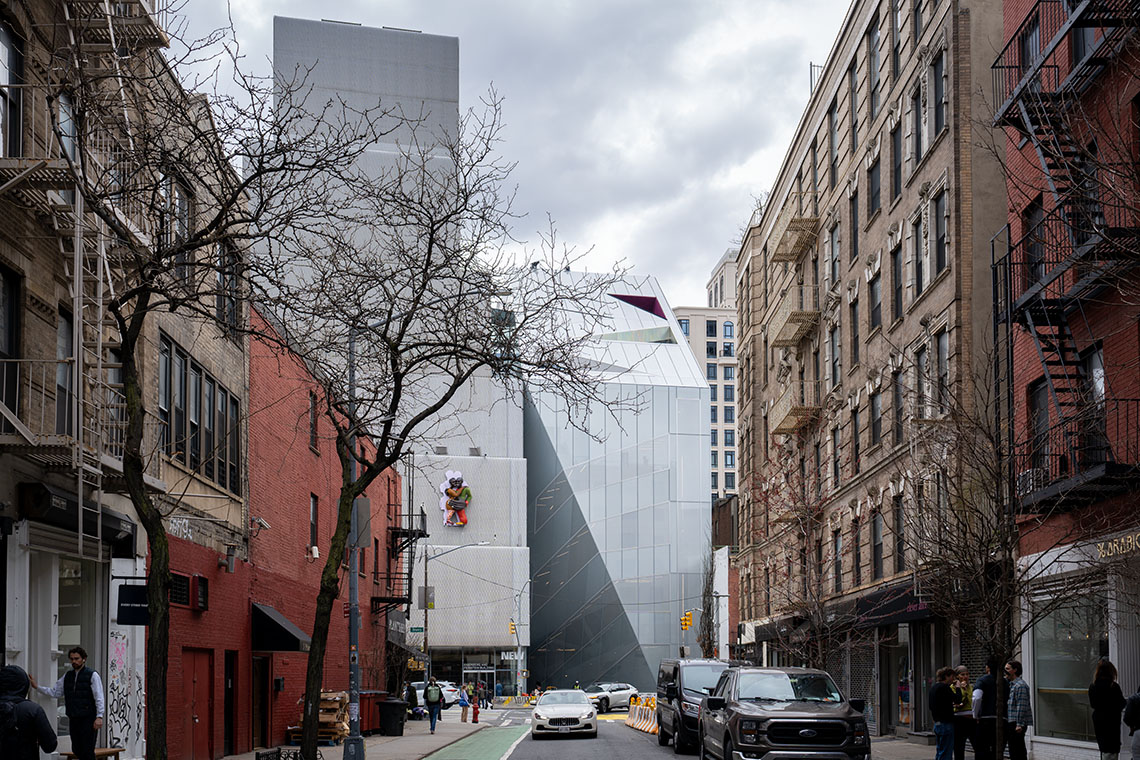
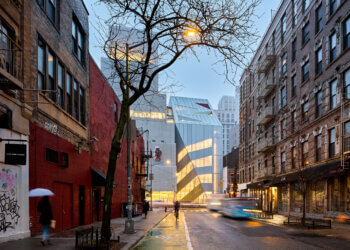
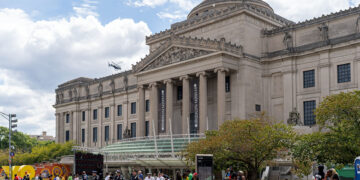
Stepping off the Bowery and into the clinical whiteness of the building, I felt the familiar hum of the city fade. The museum has doubled its footprint with a jagged expansion designed by OMA, yet the interior feels more like a cathedral dedicated to the posthuman condition than a simple gallery space. The curators have assembled a collection that does not merely look at the future but seems to remember it from a place of deep digital nostalgia.
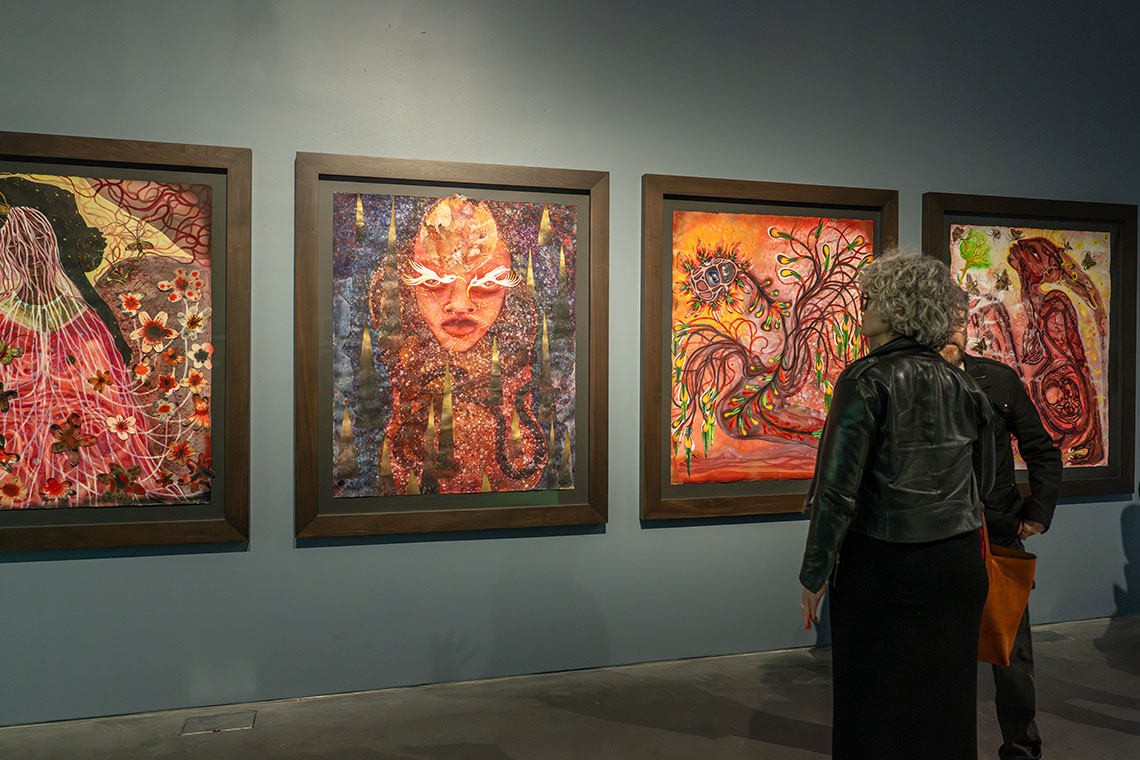
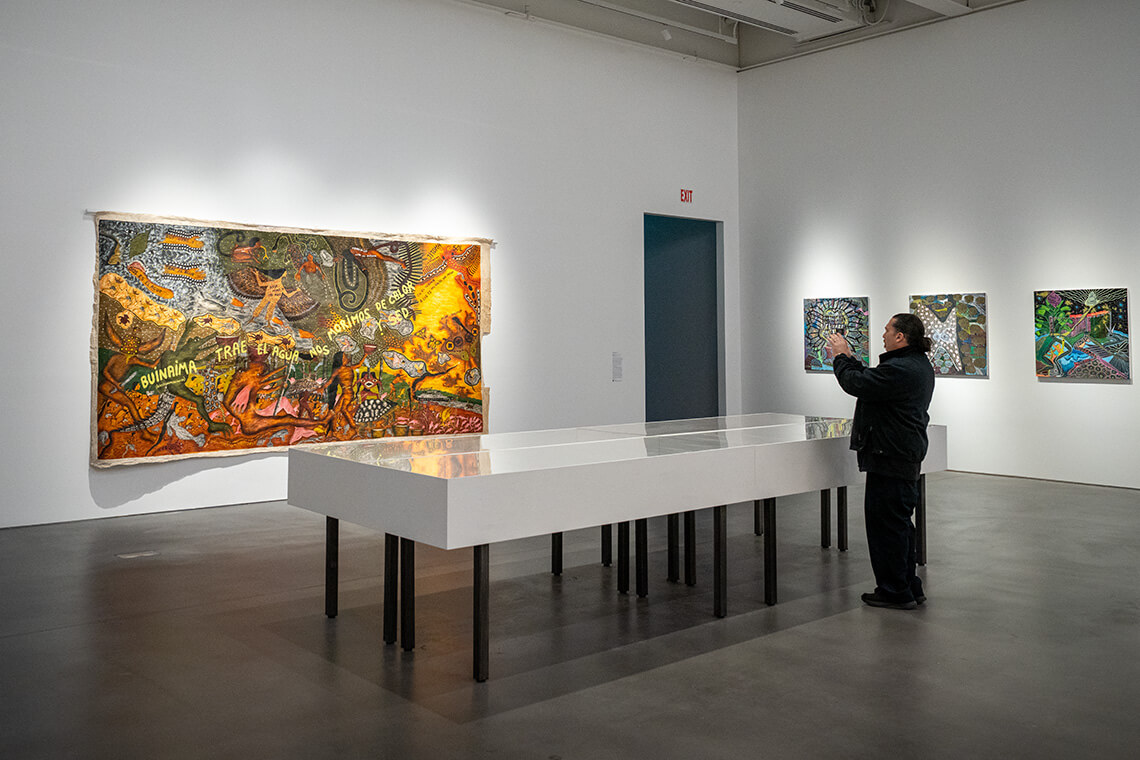
The exhibition spans the entire museum, occupying every floor in a deliberate attempt to map a diagonal history of the twentieth and twenty-first centuries. In the galleries, the human form is rendered with such precision that it triggers a primal sort of vertigo. I found myself wandering through spaces where historical artifacts like the glass skin of a 1935 anatomical dummy by Franz Tschakert sat in conversation with the animatronic pathos of Carlo Rambaldi’s E.T.
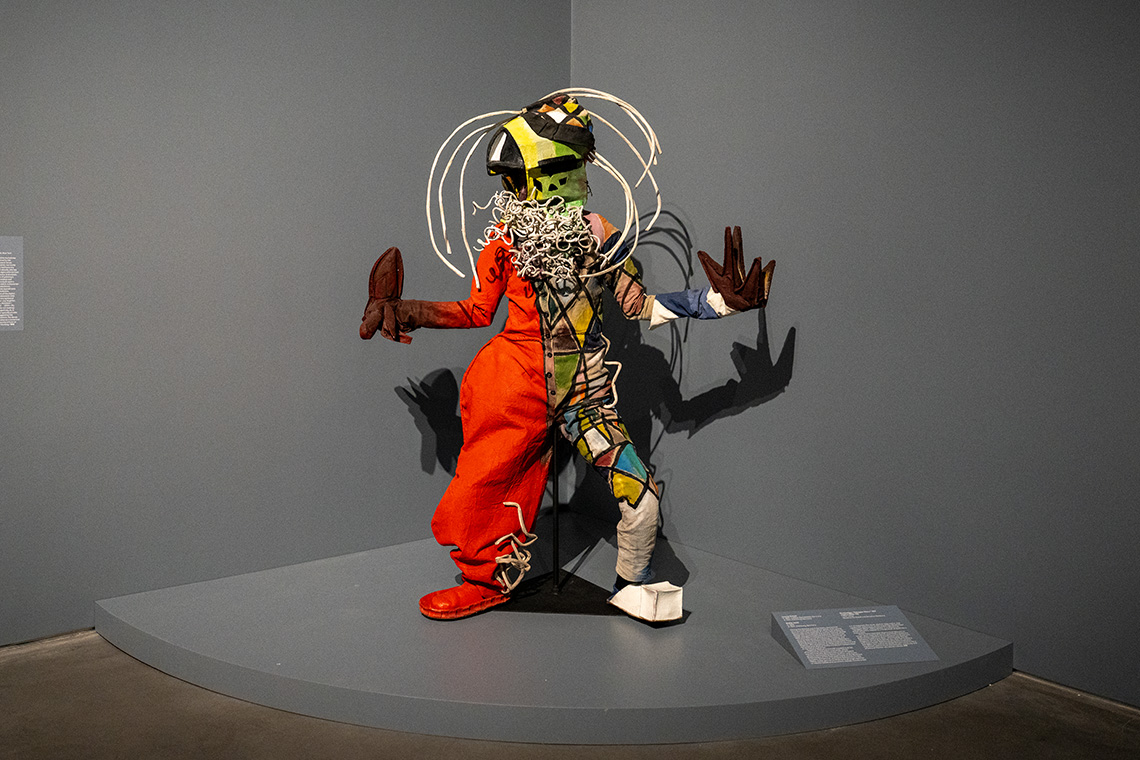
There is a specific kind of wit found in these rooms. It is a dry and almost medicinal humor. We see our own insecurities mirrored in the glitches of simulated faces. The show suggests that as we lean further into artificial intelligence and biological engineering, we are not losing our humanity so much as we are outsourcing it to more durable containers.
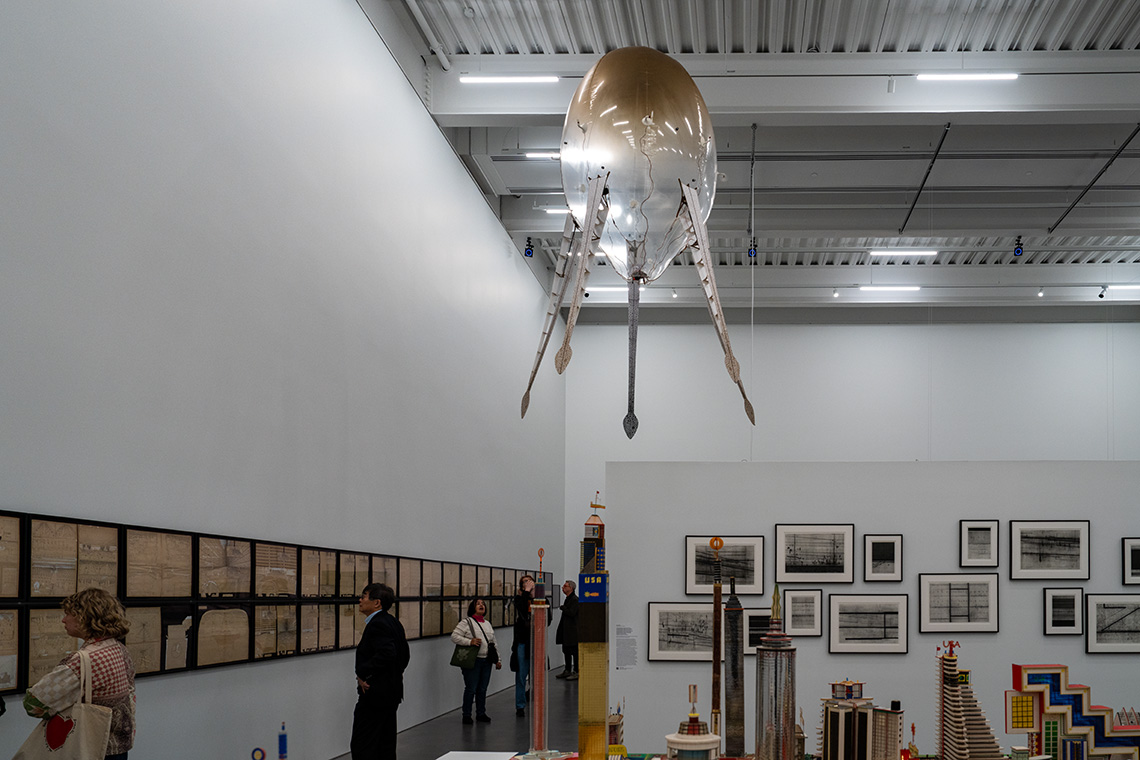
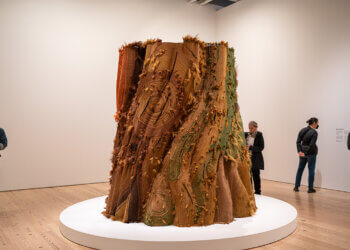
What struck me most was the absence of the typical chrome aesthetics often found in visions of tomorrow. Instead, the textures here are organic and unsettling. There are sculptures that look like skin and videos that feel like fever dreams. One of the most arresting sights is the fourth floor where Anicka Yi’s biomechanical aerobes float through the air like translucent ghosts, patrolling the gallery as if they are the true inhabitants and we are merely their guests.
The artists seem less interested in the hardware of the future and more concerned with the software of the soul. They ask questions that I felt vibrating in my own chest. If a memory is stored on a server, does it still belong to the heart? Can an algorithm feel the weight of a Sunday afternoon? Watching Pierre Huyghe’s film of a macaque monkey wearing a porcelain mask of a girl, I felt a profound sense of dislocation. The film compels a questioning of where primal instinct ends and human performance begins.
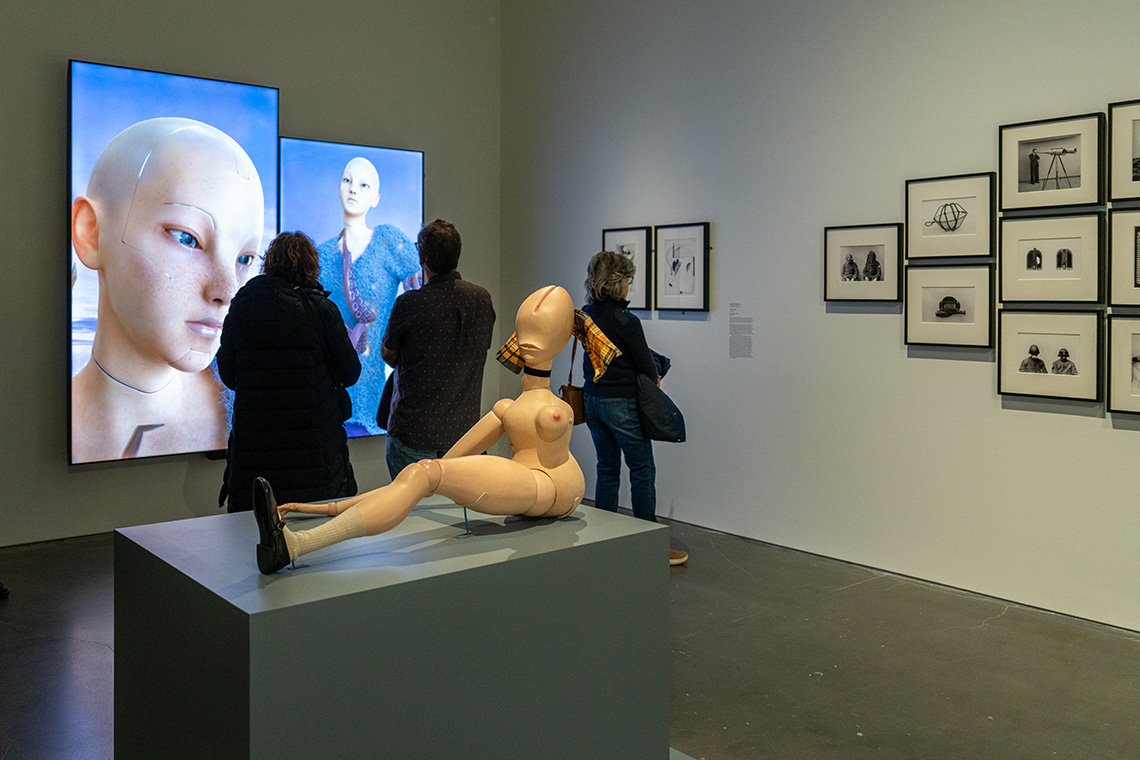
The New Museum has always excelled at capturing the anxiety of the present moment. With this exhibition, they have managed to capture the anxiety of a moment that has not yet arrived. It is a challenging experience that offers no easy comfort. You do not leave these galleries feeling reassured about the path of progress. Instead, you leave feeling a strange kinship with the machines.
In the Hall of Robots, the sheer variety of forms is overwhelming. From the visceral and tormented meat of a Francis Bacon painting to the hauntingly levitating cyborgs of Andro Wekua, the show is a mirror held up to a face we have not yet fully grown into. As I walked back out onto the sunlit streets of Manhattan, the world looked different. The faces of the people passing by seemed a bit more fragile and their movements a bit more precious. We are all, it seems, just memories of a future that is already unfolding around us.