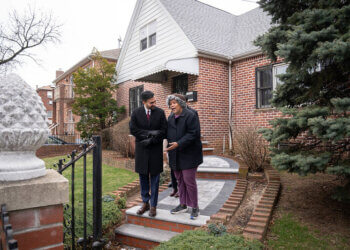















































As New York City continues to confront a deep and persistent housing shortage, officials are turning to a modest but potentially transformative idea rooted in existing neighborhoods: accessory dwelling units, commonly known as ADUs. Through a new city initiative called ADU for You, the city is encouraging homeowners to create small, legal homes on properties that already contain one or two family houses, adding housing without reshaping the skyline.
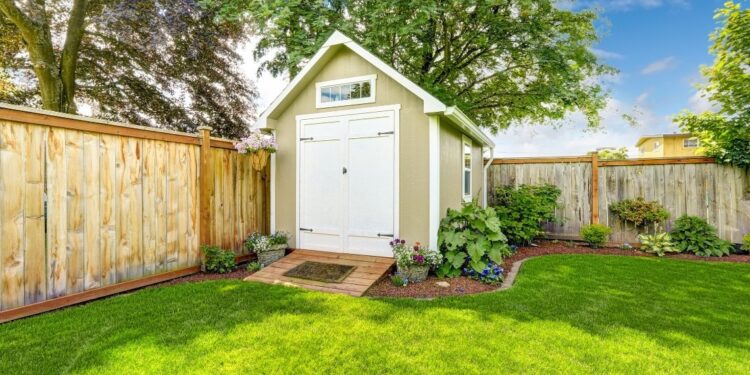
An accessory dwelling unit is a permanent, self contained residence located on the same lot as a primary home. In New York City, ADUs can take several forms. Some are created by converting basements, attics or garages into apartments. Others are small detached cottages built in a backyard. Each unit must include a kitchen, bathroom and sleeping space and must comply with city building and safety codes. Under current rules, ADUs are limited to 800 square feet and must be designed as long term housing, not short term rentals.
Because of their size and design, ADUs are often compared to tiny homes. The comparison is understandable but not exact. Tiny homes are typically defined by their small footprint and are often mobile or temporary, sometimes built on trailers. Many tiny homes do not meet local building codes and are difficult to legalize in dense urban areas. An ADU, by contrast, is a fully legal, permanent residence. It must be built on a foundation or created through a code compliant conversion of existing space and is regulated in the same way as other residential units. While a backyard ADU may resemble a tiny home in appearance, legally it functions as a full home.
The push for ADUs is part of the City of Yes for Housing Opportunity zoning reforms, approved in late 2024, which opened the door for homeowners across much of the city to add these units. The Department of Housing Preservation and Development has since launched ADU for You as a central resource for residents interested in building. The program provides guidance on zoning rules, permitting requirements and design considerations, helping homeowners understand whether their property is eligible and what steps are required to move forward.
Eligibility generally requires that the property be a one or two family home and that the homeowner live on site. Local zoning, flood zones and historic district rules can affect what type of ADU is allowed, and not every property can support every design. Still, city officials believe thousands of lots could eventually accommodate an additional unit.
Cost remains one of the biggest challenges. Building an ADU can range from a relatively affordable basement conversion to a far more expensive detached backyard unit. To address this, the city has previously offered financial support through the Plus One ADU Program, a pilot that provided technical assistance and in some cases grants or low interest loans to help homeowners legalize or build new units. While that program’s initial application period has closed, officials have said similar financing tools may return as the city expands its ADU strategy.
Even without direct subsidies, homeowners may be able to access renovation loans, state housing programs or energy efficiency incentives, particularly if the unit includes electric systems or high efficiency upgrades. The city is also developing a library of pre approved ADU designs, which could significantly reduce design costs and speed up approvals.
For homeowners, ADUs offer flexibility. Some use them to house aging parents or adult children. Others rent them out, creating a new income stream that can help offset rising property taxes, insurance and maintenance costs. For tenants, ADUs can provide smaller, more affordable housing options in neighborhoods where new apartment buildings are rare.
For the city, the appeal is scale. ADUs allow housing to be added gradually, one property at a time, without large scale development. Officials see them as a way to increase supply, support multigenerational living and preserve neighborhood character.