





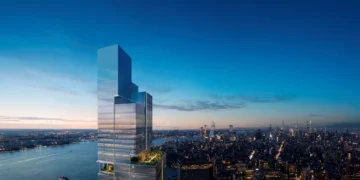


























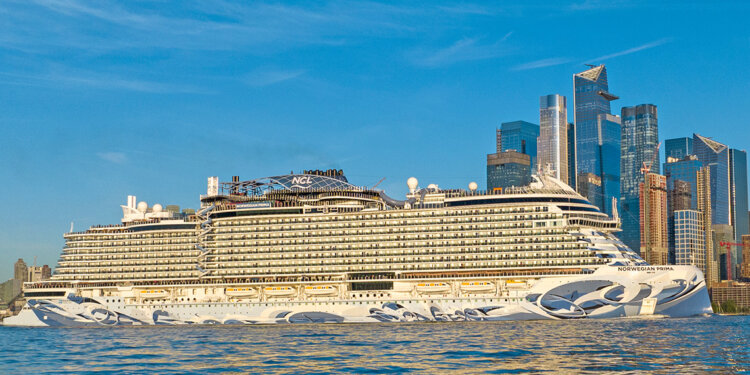
After decades as a rugged gateway for ocean travelers, the Manhattan Cruise Terminal on the west side of Manhattan is poised for one of the most dramatic transformations of New York’s waterfront in a generation. City officials, led by the New York City Economic Development Corporation, have unveiled a sweeping Master Plan to modernize and expand the terminal, a blueprint designed to secure New York’s place as a global cruise hub while opening the waterfront to residents and addressing long-standing infrastructure needs.
At its heart, the plan responds to two intertwined challenges: aging infrastructure and rising demand. The terminal, which dates back nearly a century, operates on piers that struggle to serve the largest modern cruise ships and fail to meet environmental and resilience standards for a waterfront city facing more intense storms and rising tides. The new Master Plan would replace and expand the existing piers to accommodate up to three large cruise ships at once, including two vessels with up to 8,000 passengers and ensure the piers are elevated to withstand future flooding.
One of the most notable features of the proposal is the introduction of shore power, a system that allows docked ships, harbor tugs, and other vessels to plug into the local electrical grid and turn off their diesel engines. This shift could dramatically reduce air and noise pollution in Hell’s Kitchen and surrounding neighborhoods, where residents have long complained of emissions from idling ships.
City planners say the Master Plan will also improve public access to the waterfront, with new promenades, plazas, pedestrian bridges, and bicycle pathways integrated into the design. A proposed pedestrian bridge over the West Side Highway would connect the terminal with DeWitt Clinton Park, and expanded ferry links could make the site a regional mobility node beyond cruise activity.
The city has not put a firm date on when the full project will be completed, but officials describe a phased redevelopment that will allow cruise operations to continue while construction moves forward. Some elements, such as shore power infrastructure, are already being prioritized in related efforts at nearby terminals as part of a broader clean energy push.
Who Stands to Gain?
The benefits, proponents argue, are broad. Cruise lines and the tourism industry would welcome modern facilities capable of hosting larger vessels, securing New York’s competitiveness in a market where passengers increasingly seek major departure ports near vibrant cities. That economic activity, roughly 1.5 million passengers and $500 million in local economic impact in 2024 — supports thousands of jobs in hotels, restaurants, retail, and transportation.
Nearby neighborhoods could see real gains as well. Cleaner air and waterfront access are longtime community priorities, and the integration of public spaces aims to make the Hudson River shoreline more inviting for residents, joggers, cyclists, and families. Expanded ferry service could offer new transportation choices, easing congestion on city streets.
Concerns on the Horizon
Yet not all are eager. Local advisory boards and community members have raised concerns that the timeline for shore power and other environmental upgrades has shifted or become less certain, frustrating those who hoped for rapid progress on pollution issues. Some critics worry the scale of construction could bring years of noise, traffic, and disruption to a residential corridor already grappling with infrastructure strain.
There are also questions about how the waterfront will balance commercial cruise traffic with public use. Expanding pedestrian and bike access is a key goal, but conflict points may remain where large crowds disembark and pass through narrow sections of the West Side Greenway and adjoining streets.
Finally, while tourism dollars can lift local business, some fear that an overreliance on cruise traffic could make the neighborhood feel more like a transit zone than a community space. Navigating these trade-offs will require ongoing dialogue among city planners, residents, and business owners.