

















































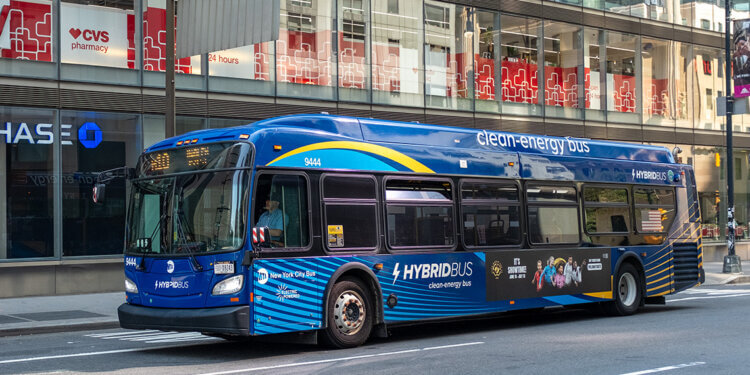
New York City’s Metropolitan Transportation Authority has approved the purchase of 100 new clean diesel buses as part of its ongoing effort to modernize and maintain the city’s extensive bus network. The decision, made recently by the MTA Board, marks a key investment in the reliability of bus service for millions of riders across the five boroughs.
The new buses will be added to the existing fleet to replace older vehicles that have reached the end of their useful life and help ensure continued service on local and express routes throughout the city. New York City Transit operates the largest public bus system in North America, with nearly 5,840 buses serving more than two million riders each weekday.
These 100 buses are part of a broader effort outlined in the MTA’s 2025-2029 Capital Plan, which calls for the purchase of thousands of new buses to keep the fleet reliable while enhancing the rider experience with improved features such as brighter lighting and accessibility improvements. The plan also includes the gradual expansion of zero-emission vehicles and the construction of supporting charging infrastructure to transition the fleet to fully zero-emission by 2040.
Although diesel technology is not the long-term goal, the clean diesel buses are an important interim step. They meet current Environmental Protection Agency emission standards and will operate more efficiently and cleanly than many older buses they replace. This helps maintain service continuity as zero-emission buses, including electric and other advanced technologies, are phased in over the coming decade.
The purchase also reflects the complexity of transitioning a massive fleet while ensuring that riders experience dependable service. While zero-emission buses are increasing in number, including more than 265 new electric buses announced earlier this year, the infrastructure and depot upgrades needed to support them are still being developed. That means some routes will rely on diesel or hybrid technology until charging stations and maintenance facilities are fully in place.
Transit officials stress that the addition of these 100 clean diesel buses will help reduce breakdowns and crowding on key corridors, particularly in parts of the city where bus service is vital for daily commuters and communities that rely heavily on public transit. By replacing aging vehicles, the MTA hopes to improve reliability and rider satisfaction even as it pursues longer term sustainability goals.
The investment comes at a time when the city is also exploring broader bus network redesigns to improve efficiency and accessibility. Riders can expect to see these new buses rolling into service over the next year, bringing incremental improvements while the agency continues its transition toward a greener and more modern fleet.