

















































New York City’s subway system is gearing up for a major upgrade to every station’s fare control equipment as the Metropolitan Transportation Authority steps up its campaign to reduce fare evasion. Transit officials have announced plans to install improved turnstile hardware and protective features across nearly every station by early January 2026, part of a broader effort to stem losses that cost the MTA hundreds of millions each year.
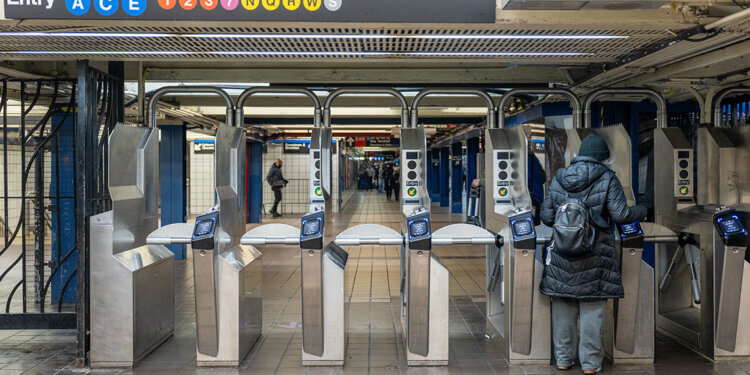
The latest phase of upgrades focuses on adding physical enhancements such as metal fins, sleeves on the turnstile arms, spikes and plastic paddles to make it harder for riders to hop over or slip around the fare gates. These elements are already in place at 327 out of the city’s 472 subway stations, and an additional 129 stations are scheduled to receive the hardware in the coming weeks. MTA Transit President Demetrius Crichlow told the agency board that fare evasion at stations with these devices has dropped by as much as 60 percent in recent months.
The enhancements are meant to address common tactics used by fare evaders, who cost the agency an estimated hundreds of millions of dollars annually and put upward pressure on fares for paying customers. Physical barriers like the fins and paddles work by making it more difficult to climb over the turnstile or wedge through gaps between the arms and surrounding structure. Riders have reported noticing the new hardware throughout the system as part of the MTA’s effort to protect revenue and ensure fair payment for all who use the trains.
This initiative is part of a wider strategy that also includes the rollout of modern fare gates at more than 150 stations by 2029 under the MTA’s capital plan. These newer fare gates, currently being piloted, feature larger doors and advanced sensor technology designed to improve accessibility and make it harder to bypass the system without paying. Testing of these next generation gates began earlier in 2025 at select locations, and transit officials hope they will play a larger role in future station upgrades.
In addition to hardware changes, the MTA and its partners have strengthened enforcement efforts with additional gate guards and increased collaboration with police to issue summonses for fare evasion violations, which also contributes to reducing unpaid rides.
Despite some criticism that the interim turnstile enhancements look unusual, agency officials maintain that they are effective in reducing evasion and boosting paid ridership. As the upgrades continue through the winter, transit leaders are watching closely to see how these changes impact both revenue and rider experience systemwide.