





































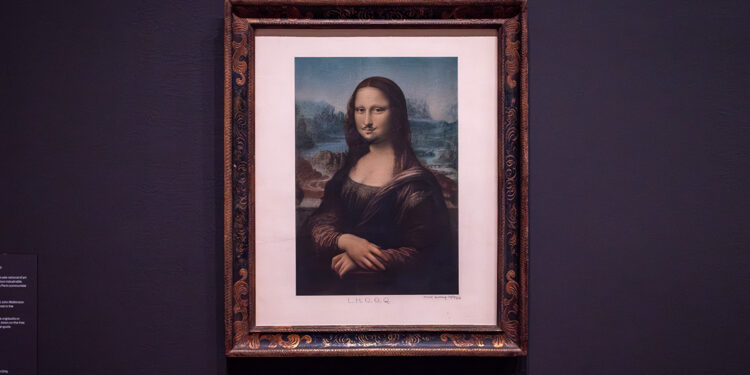
There is a particular kind of silence that accompanies a Marcel Duchamp exhibition. It isn’t the reverent hush of a cathedral or the scholarly quiet of a library. It’s the wary, vibrating silence of a room full of people who suspect they might be the punchline of a joke they haven’t quite heard yet.
Stepping into the Steven and Alexandra Cohen Center for Special Exhibitions on MoMA’s sixth floor this week, that sensation is palpable. After more than 50 years, the “greatest trickster of the 20th century” has returned to 53rd Street for a sprawling, once-in-a-generation retrospective. And even now in an era of AI-generated art and digital ephemera, Duchamp still feels like the most radical person in the building.
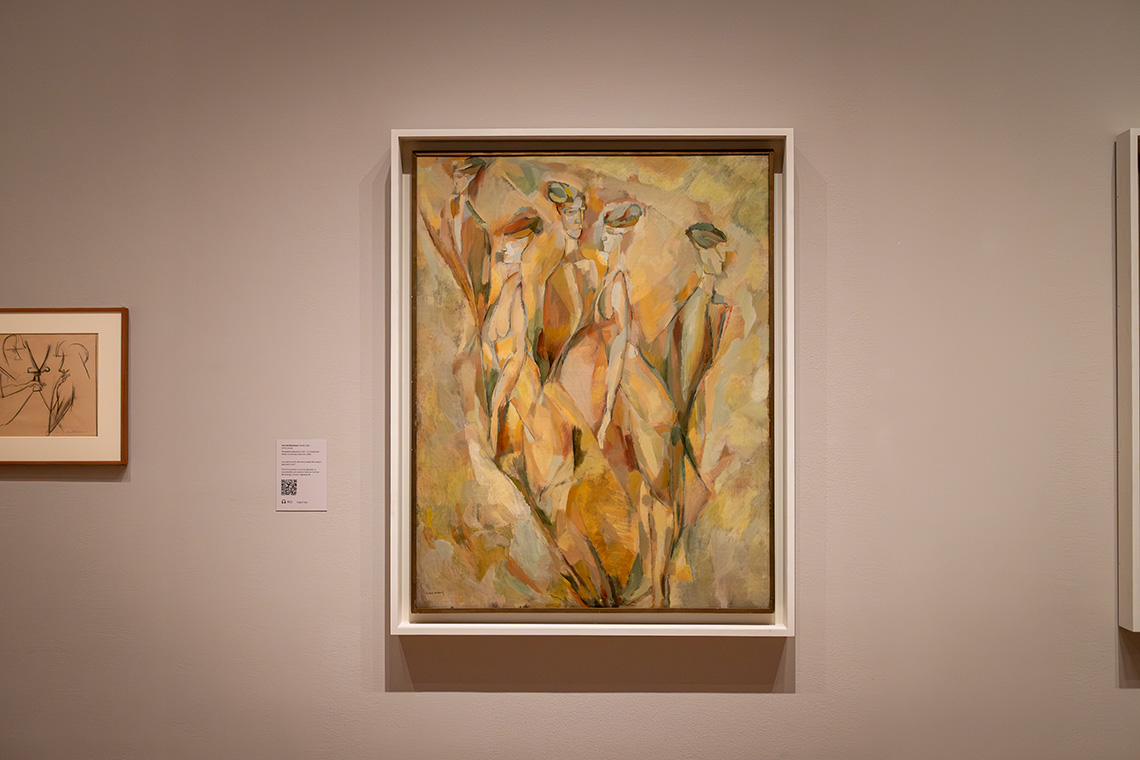
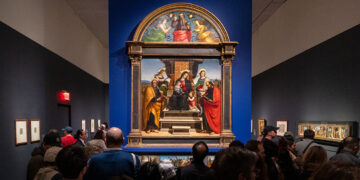
The journey begins not with a whimper, but with the painting that nearly broke the American art world in 1913. Standing before Nude Descending a Staircase (No. 2), on loan from the Philadelphia Museum of Art, I was struck by how much “noise” the canvas still makes. Even after a century of cubist and futurist scholarship, the figure’s mechanical, stuttering movement down the stairs feels jarringly modern.
It is a rare treat to see it here; it hasn’t hung on these walls since 1974. Seeing it in person, you can almost hear the 1913 critics shouting that it looked like “an explosion in a shingle factory.”
As I moved into the center galleries, the exhibition transitioned from the “retinal” art Duchamp famously grew to loathe into the conceptual minefield of his Readymades.
Ann Temkin and Michelle Kuo have opted for what they call a “deadpan” installation. There are no ornate pedestals or dramatic spotlights for the Bicycle Wheel or the Bottlerack. Instead, they are presented with a clinical, almost industrial detachment.
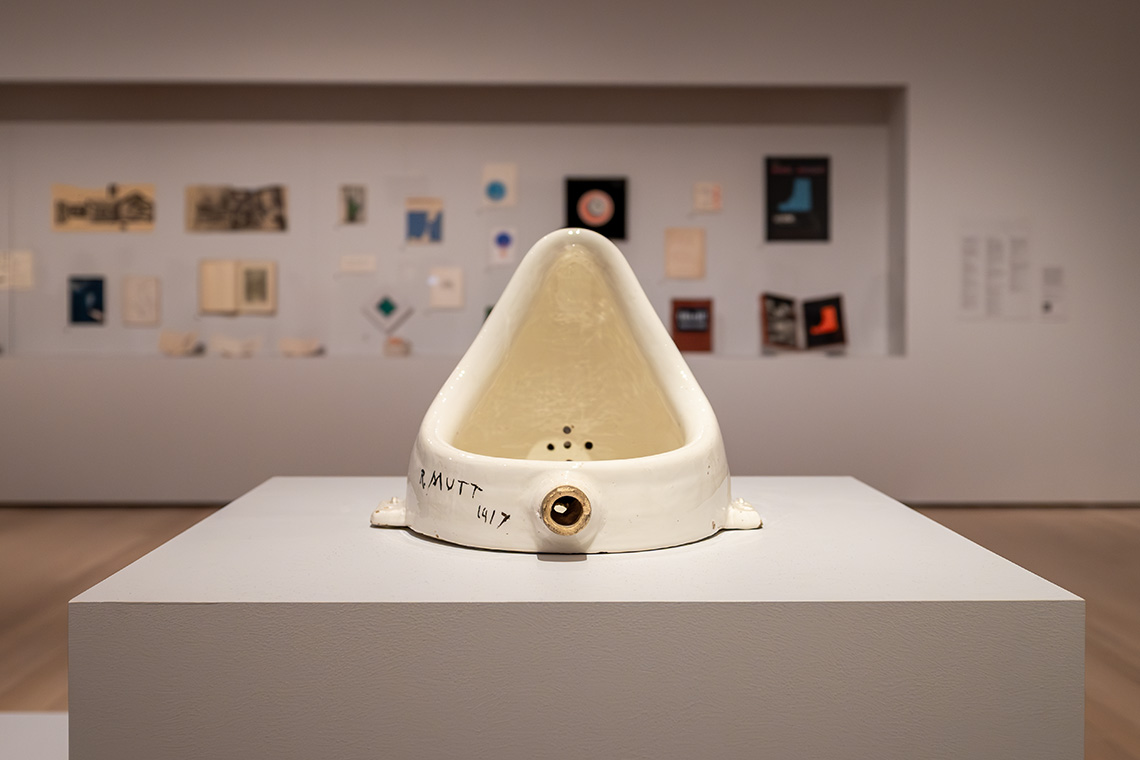
Then, there is the Fountain. Positioned at eye level, the porcelain urinal (a 1950 replica authorized by the artist) remains the ultimate litmus test for the gallery-goer. I watched a group of teenagers circle it, their expressions shifting from confusion to a sort of guarded respect. “Is it art because it’s here?” one asked. Duchamp, I suspect, would have loved that the question is still being asked with such earnestness 109 years later.
“Duchamp challenged and transformed the very definition of an artwork,” Ann Temkin told me during a walkthrough. “Our goal was to foreground how he upended the opposition between the hand and the machine.”
The heart of the show is the Box in a Valise (Boîte-en-valise). In a darkened room midway through the exhibition, MoMA has gathered the most extensive collection of these “portable museums” ever shown.
These leather cases, containing miniature replicas of Duchamp’s life’s work, feel strangely prophetic in our age of zipped files and cloud storage. Looking into the tiny, folding compartments, where even the monumental Large Glass is shrunk to the size of a postcard, you see the artist as a meticulous archivist of his own myth.
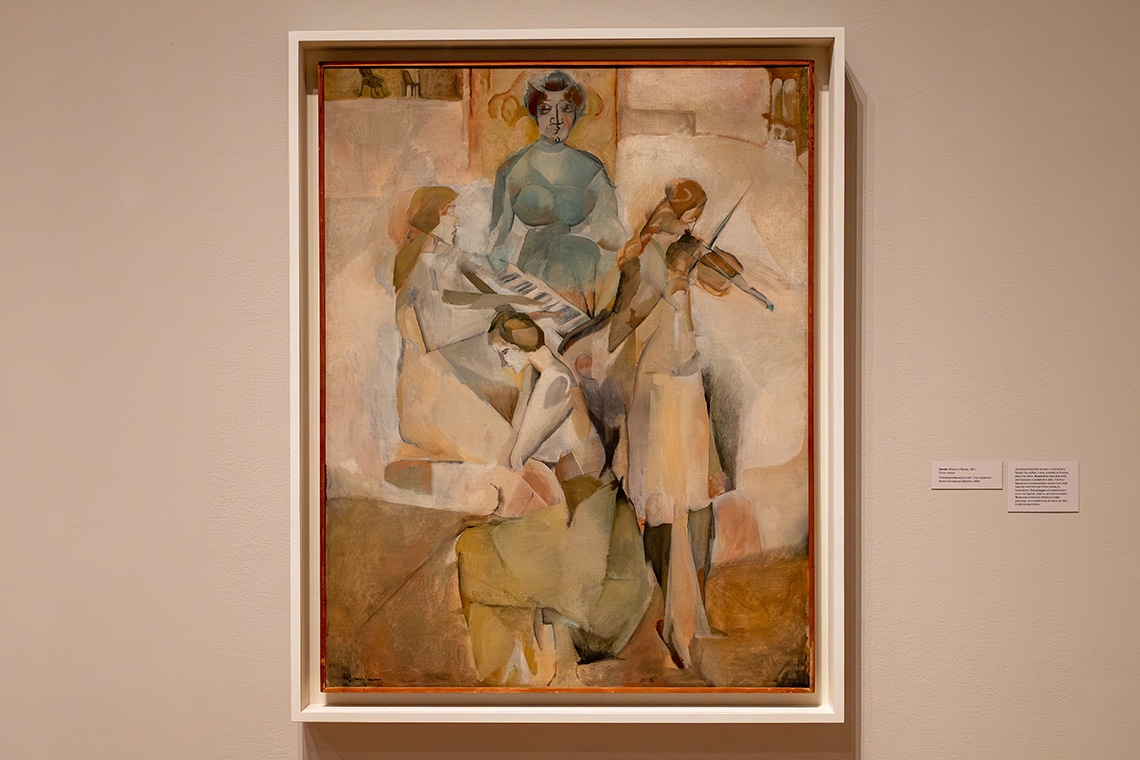
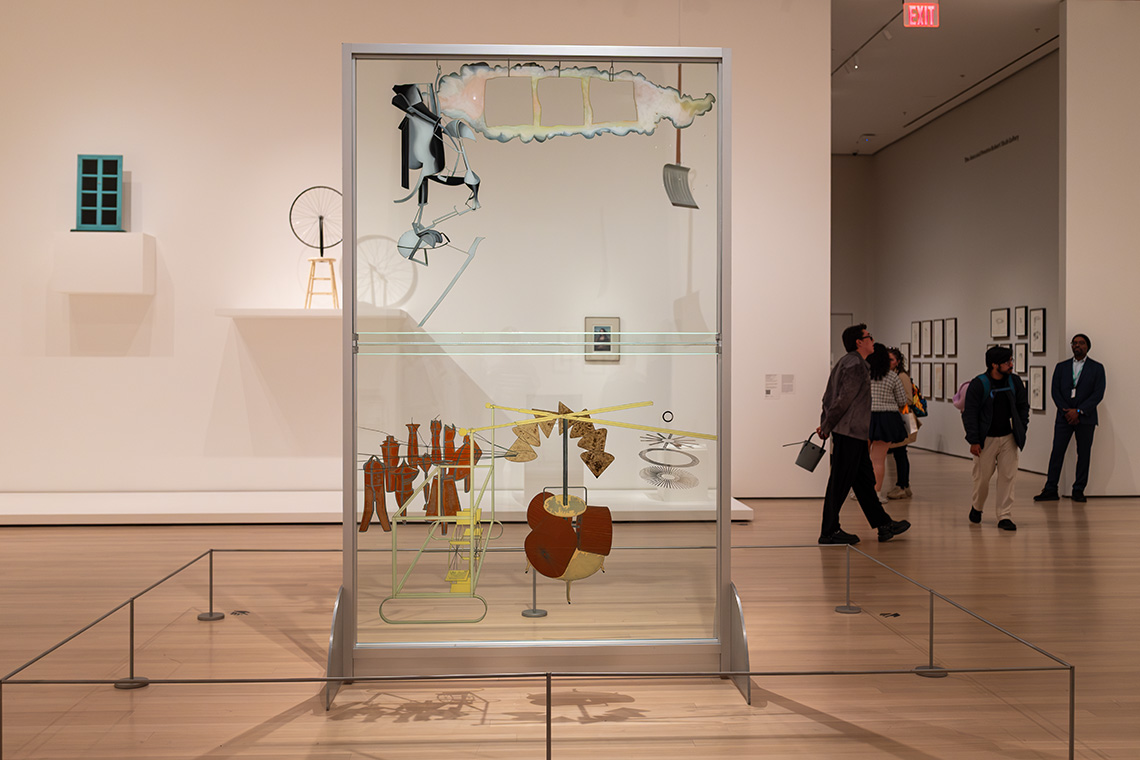
While the original The Bride Stripped Bare by Her Bachelors, Even (The Large Glass) remains too fragile to travel from its permanent home in Philadelphia, its presence is felt through a haunting series of preparatory studies and the cracked glass of To Be Looked at (from the Other Side of the Glass) with One Eye, Close to, for Almost an Hour.
By the time you reach the final rooms, which cover his “retirement” into the world of professional chess and the secret 20-year labor of his final masterpiece, Étant donnés (represented here by fascinating archival documents), the myth of the “lazy” artist is thoroughly debunked. Duchamp wasn’t doing nothing; he was just waiting for us to catch up.