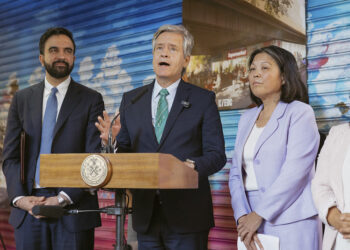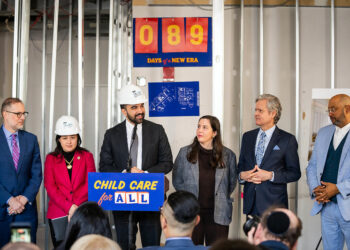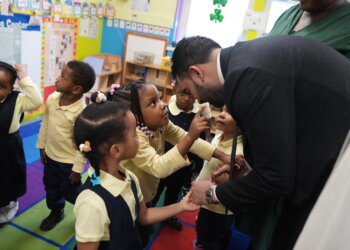



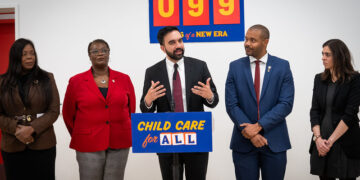







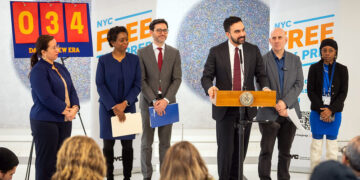







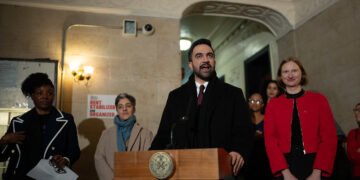



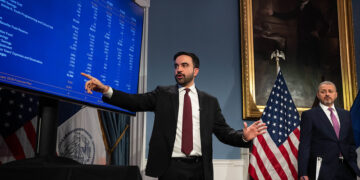
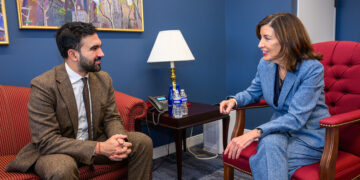

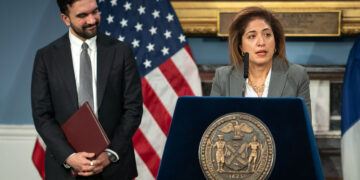



















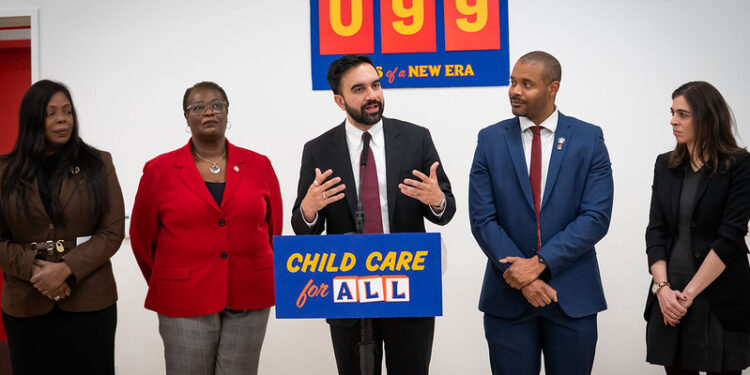
Mayor Zohran Mamdani announced on Thursday that the city’s burgeoning child care program for two year olds will operate for ten hours a day and remain open through the summer, a significant departure from the traditional school calendar that has long left working parents scrambling for coverage.
The initiative, known as 2-K, will provide free care from 8:00 a.m. to 6:00 p.m. for 260 days a year. The move is designed to align the city’s early childhood services with the standard work week rather than the six hour and 20 minute schedule of the public school system.
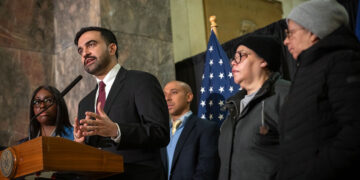
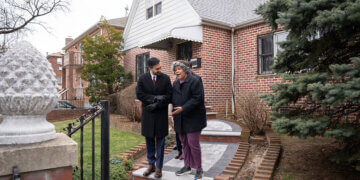
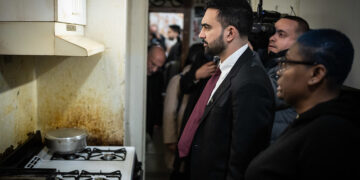
“For too long, parents have been forced to choose between their livelihood and their children, or to drain their savings just to make it through the workday,” Mr. Mamdani said during a visit to a child care center in the Bronx. “That ends now.”
The expansion addresses a central criticism of the city’s existing 3-K and Pre-K programs, which largely follow a 180 day school year. For many families, that schedule creates a “child care gap” in the late afternoons and during the months of July and August, forcing them to pay thousands of dollars for private supplemental care.
The administration expects to launch the first 2,000 seats this September in five school districts across Manhattan, Brooklyn, Queens, and the Bronx. These areas were selected based on economic need and a lack of existing child care options. Officials intend to scale the program to 12,000 seats by the fall of 2027, with the ultimate goal of reaching every two year old in the city by 2030.
The first year of the rollout is supported by 73 million dollars in state funding, part of a broader commitment from Governor Kathy Hochul to overhaul early childhood education in the city.
“We are closer than ever to the child care system New York families have asked for and deserve,” said Rebecca Bailin, the executive director of New Yorkers United for Child Care. “We are not stopping until we get there.”
While the program is open to all residents regardless of income or immigration status, the 100 day old administration is prioritizing high need neighborhoods. Schools Chancellor Kamar Samuels noted that the full day model is essential for equity.
“For many families working nine to five, an eight to three program is not going to cut it,” Mr. Mamdani said, echoing a campaign promise to treat child care as a public utility rather than a luxury.
Applications for the initial 2,000 seats are scheduled to open in June. Families whose children turn two during the 2026 calendar year will be eligible to apply, though health codes may require some children to wait until their actual second birthday to begin the program.
The announcement comes as Mr. Mamdani, the first Muslim mayor of the city and a self described democratic socialist, seeks to solidify his standing with a base that prioritized affordability during the 2025 election. Recent polling suggests that while voters remain divided on the city budget, child care remains one of the most popular pillars of his platform.
“As Cardi B says: ‘I can get ’em both. I don’t wanna choose,’” the mayor said, referencing a recent promotional partnership with the Bronx born rapper. “With universal child care, New Yorkers will not have to.”