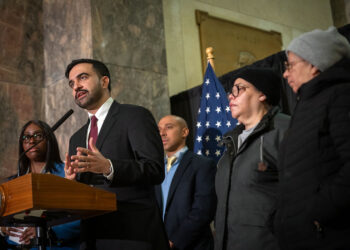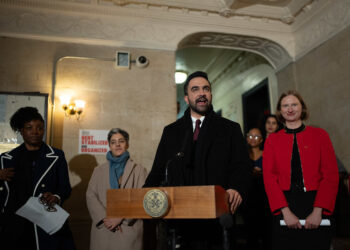











































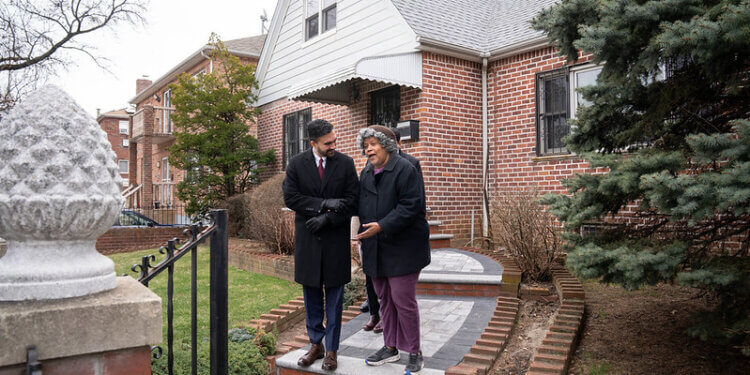
Mayor Zohran Kwame Mamdani announced a new initiative that aims to transform the humble New York backyard into a primary front in the fight against the housing crisis.
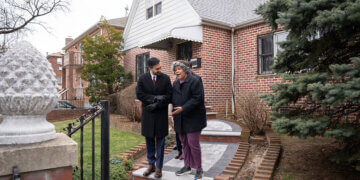
The program, centered on the creation of what the city calls ancillary dwelling units, or ADUs, provides homeowners with a suite of digital tools and a significant reopening of a dormant financing pool. By encouraging the construction of small apartments in basements, attics, and detached cottages, the administration hope to add thousands of new homes without altering the physical scale of residential blocks.
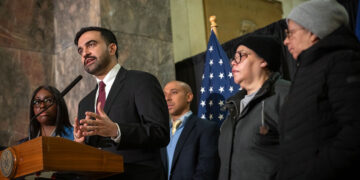
“One of the solutions to the housing crisis can be found in our backyards, our attics, or our basements — in an Ancillary Dwelling Unit,” Mr. Mamdani said during a press conference. “By making it easier for New Yorkers to turn their homes into an extra place for a loved one or a little more income, we are allowing our city to grow while keeping the character of the neighborhoods we love.”
Central to the announcement is the launch of the ADU for You website, a portal designed to help property owners navigate the often Byzantine world of city permits and construction costs. The site includes a guidebook and a library of eleven pre approved design plans. By using these designs, which the Department of Buildings has already reviewed for code compliance, homeowners can bypass many of the initial hurdles that often stall small scale development.
The administration also announced the return of the Plus One ADU program, a financial lifeline that had been closed to new applicants since early 2024. The program offers qualified owners up to $395,000 in technical assistance and low interest loans to fund their projects.
Officials estimate that the relaxed zoning rules, established under the City of Yes reforms late in 2024, could lead to the creation of roughly 25,000 units over the next fifteen years.
“These homes will not get built if the permitting process places too many barriers in the way,” said Ahmed Tigani, the Buildings Commissioner. He noted that the pre approved plans act as a menu for residents, offering a faster track to legal occupancy.
The push for ADUs also carries a weight of safety. For years, thousands of New Yorkers have lived in illegal basement apartments that often lack proper exits or fire protections. The issue became tragically clear during historic storms that led to several drownings in such units. By providing a legal and subsidized path to conversion, the city hopes to bring these existing homes into the light of safety regulation.
Housing advocates and organizations representing seniors praised the move as a victory for both affordability and family stability. Beth Finkel, the state director for AARP New York, said the units would allow older New Yorkers to age in place by providing rental income or a nearby space for caregivers.
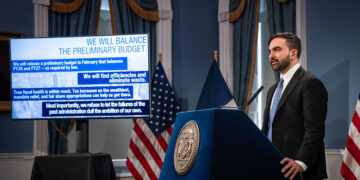
While the program marks a major step for the Mamdani administration, challenges remain. The city faces a massive budget deficit, and critics of the plan often argue that even small additions can strain local infrastructure or change the feel of quiet neighborhoods.
For now, the mayor is betting that the path to a more affordable city begins at home. “In the midst of a dire housing crisis, ADUs are an important tool for homeowners to add space,” said Leila Bozorg, the deputy mayor for housing and planning. “These new tools will help ensure that any New Yorker who wants to add an ADU is able to do so.”