






















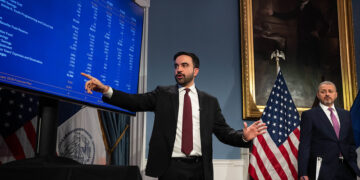



















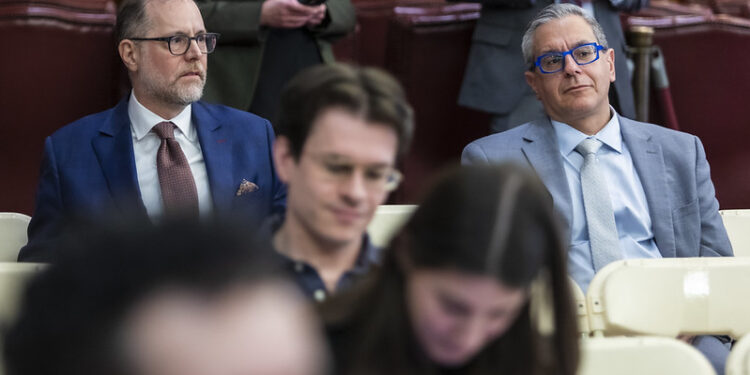
In a sobering assessment of the financial future of the city, Comptroller Mark Levine warned on Wednesday that New York faces a looming structural deficit that could reach $10 billion within three years. Testifying before the City Council Finance Committee, Mr. Levine offered a blend of praise for the transparency of the administration of Mayor Zohran Mamdani and caution regarding the stability of the city economy.
The testimony marked the first major budget appearance for Mr. Levine since he assumed office in January. He described a city defined by “contradictions,” where record profits on Wall Street and rising tax receipts exist alongside a shelter system housing nearly 90,000 people and a poverty rate that impacts two million residents.
“The scale of the fiscal challenges we are facing now goes beyond what you have heard from this table in many years,” Mr. Levine told the committee members.
A Departure from the Past
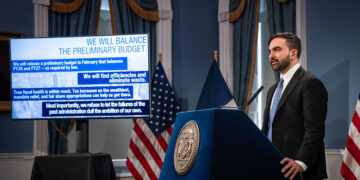
Mr. Levine commended the Mamdani administration for what he called a more honest accounting of city obligations. He noted that the preliminary budget for the next fiscal year finally includes the full costs of programs that were previously underfunded, such as rental assistance, shelter services, and overtime for city workers.
By including these recurring expenses, the Comptroller argued, the administration has ended a cycle of “deliberately understating” the needs of the city. However, he warned that acknowledging the costs does not make them any easier to pay.
The analysis from the office of the Comptroller projects a budget gap of $2.85 billion for the 2027 fiscal year. That figure is expected to balloon to more than $10 billion by 2028 as the city struggles to balance its spending with reliable revenue.
Economic Uncertainty and External Shocks
Mr. Levine highlighted several factors that could further strain the local economy. He pointed to the volatility in global markets following recent military conflict in Iran, which has driven up the price of oil and gas. He also raised concerns about the rapid advancement of artificial intelligence, suggesting that technology might soon begin to replace human labor in core occupations across the five boroughs.
Closer to home, the Comptroller criticized the reliance of the city on “one shots” and temporary measures to balance the books. The current plan involves drawing down $980 million from the rainy day fund at a time when revenues are at record highs.
“Those funds are intended to help the city weather economic downturns, not to balance the budget when tax receipts are strong,” Mr. Levine said. He also voiced opposition to a proposed increase in the property tax, noting that the city is already nearing its constitutional limit for such taxes.
The Fight with Albany
A significant portion of the testimony focused on the relationship between the city and the state government. Mr. Levine argued that New York City remains the economic engine of the state, sending billions of dollars more to Albany than it receives in return. He specifically cited a $90 million impact from lower reimbursement rates for public health costs and a lack of state funding for criminal justice reforms.
“We are a city that fuels the economy of the state, yet we carry a disproportionate share of poverty,” the Comptroller said. “Those contradictions are the result of choices. And they can be resolved by choices.”
As the hearing concluded, council members expressed concern over the projected shortfalls. The Finance Committee will continue to review the preliminary budget over the coming weeks as the city moves toward a final agreement by the end of June.