





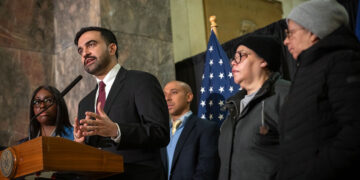




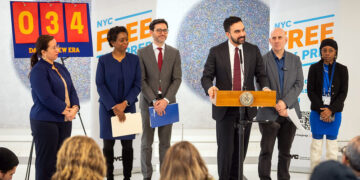



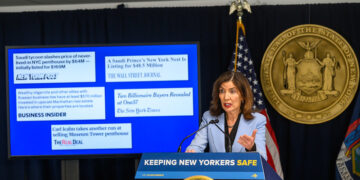



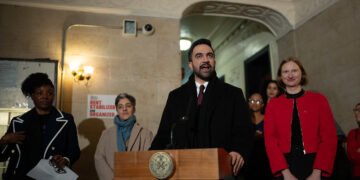


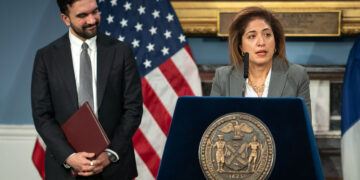















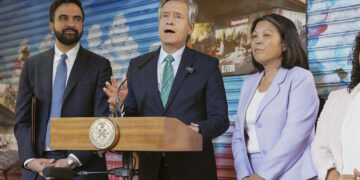




The New York City Council unveiled a fiscal analysis on Tuesday that identified nearly $1.7 billion in potential resources for the current fiscal year. The report sets the stage for a high stakes confrontation with the administration of Mayor Zohran Mamdani over whether the city should tap into its multi-billion dollar emergency reserves.
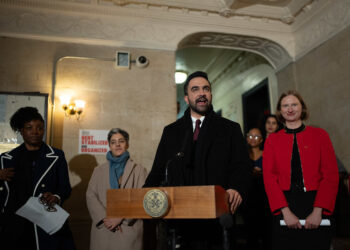
The findings, released by Speaker Julie Menin and Finance Chair Linda Lee, suggest that the city can maintain essential services and fiscal stability without touching the Rainy Day Fund. Formally known as the Revenue Stabilization Fund, the account has remained untouched since its creation in 2021.
“The Rainy Day Fund was created to help protect New Yorkers during a true fiscal emergency and has never been tapped,” Speaker Menin said in a statement. “Our analysis suggests we are not in such an emergency position today.”
The Council’s economic forecast projects $386 million more in tax revenue for fiscal years 2026 and 2027 than the estimates provided by the Mayor’s Office of Management and Budget. This optimistic outlook is rooted in a resilient national economy and robust local wage growth, which increased at an annual rate of 5.9 percent over the last four quarters.
A Brewing Budget Battle
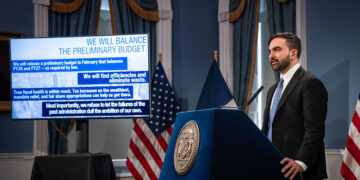
The dispute centers on a proposal sent by the Mamdani administration on February 24, which sought to draw down the reserves to cover budget gaps. While the Mayor has pointed to lackluster job growth outside the healthcare sector as a reason for caution, the Council argued Tuesday that the city’s financial picture is stronger than City Hall admits.
“Today’s analysis reinforces the City Council’s commitment to being a responsible financial steward of our city’s budget,” said Council Member Linda Lee. She noted that the Council identifies enough “savings and revenue opportunities” to avoid what some members view as a premature raid on the city’s safety net.
Economic Crosscurrents
Despite the surplus identified by the Council, the report noted a complex economic landscape for the five boroughs. While the securities industry saw wages jump by nearly 13 percent, the broader job market remains uneven.
Employment growth has been almost entirely driven by the home healthcare and social assistance sectors, which added 53,000 jobs. However, when those specific subsectors are excluded, total employment in the city actually declined by nearly 23,000 positions.
The Council anticipates that the national gross domestic product will grow by 2.5 percent in 2026, providing a stable if not spectacular backdrop for the upcoming budget negotiations. Economic forecast also projects significantly more tax revenue than the estimates provided by the Mayor’s Office of Management and Budget. This optimistic outlook is rooted in a resilient national economy and robust local wage growth, which increased at an annual rate of 5.9 percent over the last four quarters.
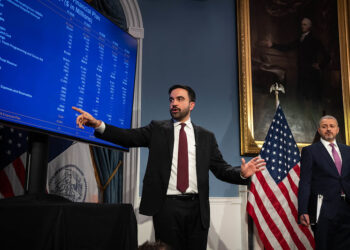
The Council projections diverge from City Hall in several key areas. While the executive branch remains cautious, the Council identifies $1.7 billion in total additional resources. This figure includes $386 million in tax revenues for the 2026 and 2027 fiscal years that exceed the administration estimates. Furthermore, the Council anticipates a steady 4.7 percent annual growth in revenue through 2030. While this is more optimistic than the current executive estimates, the Council noted that this growth still trails the 5.5 percent average annual increase seen in the decade before the pandemic, signaling a more moderate long term trajectory.
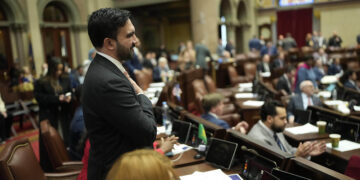
The Council is expected to vote on the proposed revenue and expense modifications by the end of March. Should the Speaker and her allies hold firm, the Mayor may be forced to find alternative savings or scale back some of his administration’s signature initiatives.
A formal response to the Mayor’s Preliminary Budget is due by April 1. This document will outline the Council’s spending priorities for the 2027 fiscal year, which begins in July.