














































Buying in New York City has long felt like an uphill climb, but shifting market conditions are beginning to change the math for buyers who know where to look. In 2026, rising inventory and softening asking prices in parts of the city are creating pockets of leverage that have been scarce in recent years, particularly for buyers willing to move quickly.
A new analysis from StreetEasy, which ranked the best neighborhoods for buyers this year, highlights where those conditions are most pronounced. Using listing data from December 2025, the report identifies neighborhoods where inventory is climbing and prices are trending lower, a combination that can translate into more options and more negotiating power for buyers. While the list spans all five boroughs, three neighborhoods stand out for different reasons: Midtown East for its unmatched Manhattan location, and Bay Ridge and Kew Gardens for their relative affordability and reputation for safety.
Midtown East
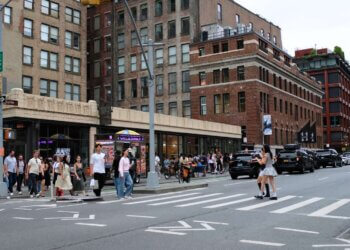
Midtown East may not be the first place many buyers expect to see on a “buyer friendly” list, but its inclusion underscores how market shifts are reshaping even some of Manhattan’s most established areas. According to StreetEasy, increased inventory in the neighborhood has given buyers more choice than they have had in years, particularly in co op heavy buildings where sellers are facing longer time on market. For buyers focused on location, Midtown East remains difficult to beat. The neighborhood sits at the center of the city’s transit network, with access to Grand Central Terminal, multiple subway lines, and quick connections to the rest of Manhattan and beyond.
Safety is another factor weighing on buyer decisions, especially for those moving into the city or purchasing for the long term. NYPD CompStat data from the most recent full calendar year shows that the 17th Precinct, which covers much of Midtown East, recorded comparatively low levels of violent crime relative to many other Manhattan precincts. Major crimes such as murder and shootings remained rare, reinforcing the area’s reputation as a stable, office driven neighborhood that stays active throughout the day and evening.
Bay Ridge
While Midtown East offers location, Bay Ridge stands out for value. Located at the southern edge of Brooklyn, the neighborhood consistently posts one of the borough’s lower median asking prices among areas with good transit access and established housing stock. The analysis points to a growing number of listings in Bay Ridge in late 2025, giving buyers more flexibility and reducing the pressure to bid aggressively.
Bay Ridge also benefits from a long standing perception of safety, which is supported by NYPD data. The neighborhood is primarily covered by the 68th Precinct, which has historically ranked among Brooklyn’s lower crime precincts, particularly when it comes to violent offenses. While property crimes such as larceny remain the most common issues, serious violent crime remains comparatively infrequent, a key consideration for families and first time buyers weighing long term quality of life.
Kew Gardens
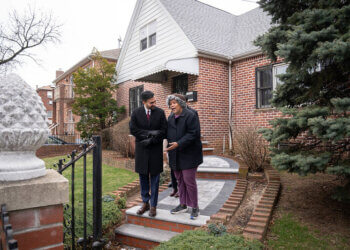
In Queens, Kew Gardens offers a similar mix of affordability and stability, with the added benefit of proximity to both Midtown Manhattan and major transportation hubs. Median asking prices in the neighborhood remain below many other centrally located Queens markets, even as demand has increased for areas with easy access to Long Island Rail Road service and multiple subway lines. StreetEasy notes that rising inventory has helped keep prices in check, creating opportunities for buyers priced out of neighboring areas like Forest Hills.
Crime data from the NYPD’s 102nd Precinct, which covers Kew Gardens, further strengthens the neighborhood’s appeal. The most recent full year CompStat figures show relatively low levels of major crime, with sharp long term declines compared with historical highs. Violent crime remains uncommon, and overall complaint totals are significantly lower than decades ago, reinforcing Kew Gardens’ reputation as one of central Queens’ safer residential options.
Taken together, these neighborhoods illustrate how buyer opportunities in 2026 are less about finding a single “cheap” area and more about identifying places where market dynamics, location, and livability intersect. Rising inventory and easing prices are opening doors in parts of the city that once felt permanently out of reach. For buyers who are prepared, that shift could make this year one of the most flexible buying environments New York City has seen in some time.