













































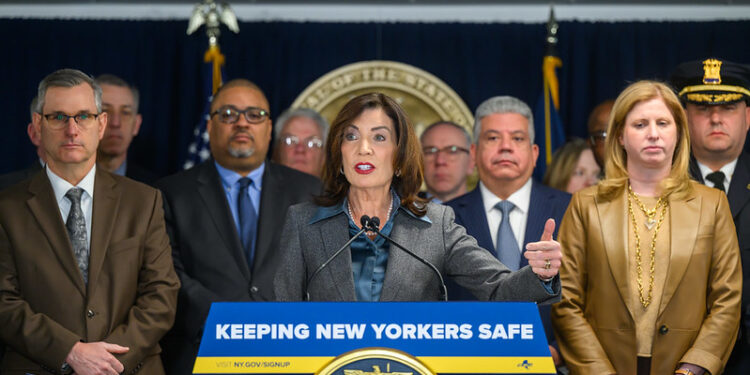
New York Governor Kathy Hochul on Friday unveiled legislation that would bar local and state law enforcement from being deputized by U.S. Immigration and Customs Enforcement for civil immigration enforcement. The move to block ICE is aimed at protecting immigrant communities but critics warn it could undermine public safety.
The Local Cops, Local Crimes Act, would eliminate formal agreements under Section 287(g) of federal law that allow ICE to authorize local police to perform certain immigration enforcement duties. It also would prohibit federal civil immigration enforcement from using local jails, conducting mass raids with local assistance or transporting detainees through local facilities.
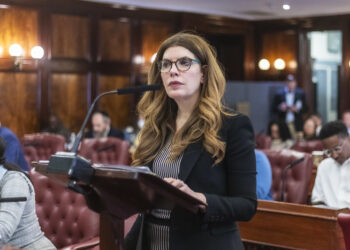
“Over the last year federal immigration agents have carried out unspeakable acts of violence against Americans under the guise of public safety,” Hochul said in remarks announcing the bill, calling for local police to focus on community crime rather than federal immigration work.
The proposal comes amid heightened national debate over immigration enforcement and follows controversial federal actions in other states, including fatal shootings of civilians by federal agents in Minnesota that have intensified scrutiny of ICE.
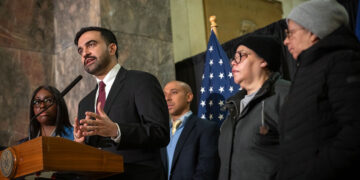
Supporters, including several county district attorneys, said ending local deputization will build trust between immigrant communities and law enforcement. Manhattan District Attorney Alvin Bragg said prosecutors struggle when residents fear reporting crimes could trigger immigration consequences. Brooklyn District Attorney Eric Gonzalez said requiring warrants before ICE enters sensitive locations helps ensure accountability.
The bill would not preclude cooperation with federal authorities in criminal investigations, Hochul’s office said.
The Department of Homeland Security criticized the measure, saying partnerships between federal and local law enforcement are key to removing dangerous individuals from communities and that restricting cooperation could make residents less safe. “When politicians bar local law enforcement from working with us, that is when we have to have a more visible presence,” said Tricia McLaughlin, assistant secretary at DHS.
Legal aid and immigrant advocacy groups welcomed the proposal, saying it reinforces protections for immigrants and extends prohibitions on enforcement in sensitive locations such as homes, schools and hospitals to require judicial warrants.
The legislation must be approved by the Democratic-controlled state legislature. Supporters said it represents a significant shift in state policy on federal immigration enforcement; opponents argue it could strain law enforcement cooperation and public safety efforts.