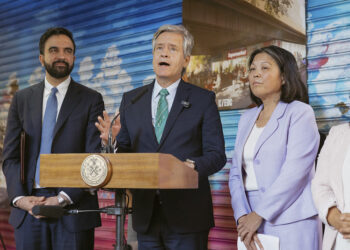













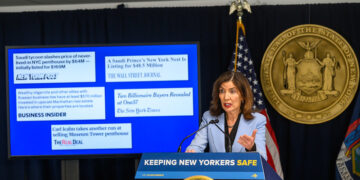























For the average New York driver the arrival of an auto insurance renewal notice has become a biannual ritual of shock. Rates in the Empire State have climbed relentlessly, driven by inflation, repair costs, and a unique local ecosystem of litigation and fraud. On Thursday Governor Kathy Hochul argued that the sticker shock is not just a market reality but a crime scene.
As part of her “Money in Your Pockets” affordability agenda the Governor unveiled a suite of proposals aimed at slicing through the premiums that burden working families. The target is specific and illicit: the sprawling network of staged accidents and fraudulent medical claims that officials say inflate the average New York insurance bill by as much as 300 dollars a year.
“Car insurance rates are just too damn high,” Governor Hochul said, eschewing bureaucratic language for the frustration felt at kitchen tables across the state. New Yorkers currently pay an average of $4,000 dollars annually for coverage, a figure that sits roughly $1,500 dollars above the national average.
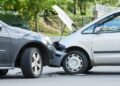
The Governor’s plan centers on a muscular new approach to what is often dismissed as a white collar nuisance. The proposal seeks to reinvigorate the Motor Vehicle Theft and Insurance Fraud Prevention Board, transforming it from a passive oversight body into an active partner with law enforcement. The goal is to dismantle the “crash for cash” rings that operate with disturbing efficiency on the streets of Brooklyn and Queens.
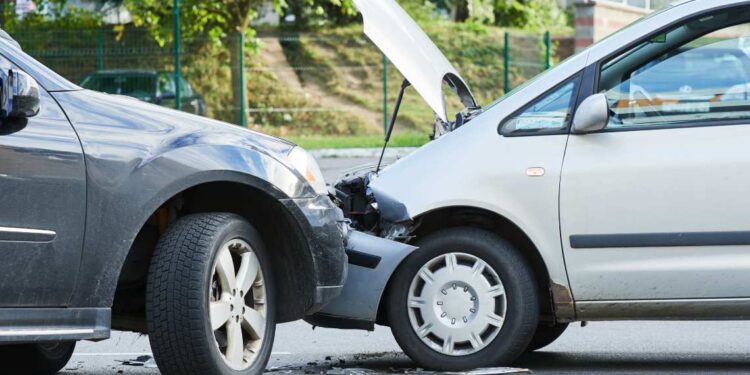
Data provided by the administration paints a grim picture of the current landscape. In 2023 alone New York recorded 1,729 known staged accidents, the second highest number in the nation. These are not fender benders. They are choreographed collisions often involving unsuspecting victims, designed to trigger the state’s generous “no fault” medical payouts.
To combat this the Governor is proposing a coordinated crackdown involving the Department of Financial Services, the DMV, and the State Police. But the most politically thorny aspect of her plan involves a subtle shift into tort reform, a third rail in Albany politics.
Hochul proposed legislation that would prevent drivers from suing for damages if they were breaking the law at the time of the crash. Under the new rules, individuals who are driving drunk, driving without a license, or fleeing a felony would be barred from collecting payouts. It is a “common sense” restriction that is likely to draw fire from the state’s powerful trial lawyers lobby, which has historically opposed barriers to litigation.
The administration is also taking aim at the medical side of the equation. The plan includes measures to pursue medical providers who sign off on phony diagnoses for phantom injuries, a key component of the fraud cycle. By tightening the definition of a “serious injury,” the Governor hopes to cut off the flow of easy money that fuels these schemes.
“We are putting the brakes on fraud and ending a system that rewards illegal behavior,” Hochul stated.
This focus on fraud represents a pivot for the state, which in recent years has often mandated increased coverage. In 2023, a law was signed requiring “supplemental spousal liability” coverage to be automatically included in policies, a move that critics argued needlessly raised rates for single drivers and those who did not need the protection. While the Governor’s current proposal does not explicitly undo that mandate, it acknowledges that the cumulative weight of regulation and fraud has pushed the cost of driving to a breaking point.
For the commuter in the Hudson Valley or the delivery driver in the Bronx, the promise of a crackdown offers a glimmer of hope. However, the mechanism of insurance pricing is slow to turn. Even if the state successfully roots out the fraud rings, it remains to be seen how quickly those savings will be passed down to the consumer. For now, the Governor is betting that a tougher stance on crime will eventually mean a lighter load on the wallet.