




































The confetti from the inauguration has barely been swept from City Hall steps but the financial reality of governing New York City has already arrived with a thud. On Friday City Comptroller Mark Levine delivered his first major fiscal assessment since taking office and the numbers are grim. The city is facing a $2.2 billion dollar budget shortfall for the current fiscal year and a staggering $10.4 billion dollar gap for the year following.
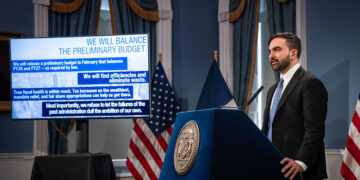
This announcement effectively ends the brief period of political optimism that accompanied the arrival of Mayor Zohran Mamdani. While the new administration prepares to release its preliminary budget in February it must now contend with a fiscal hole that is both deep and immediate. Levine described the situation as the most severe midyear shortfall the city has faced since the Great Recession.
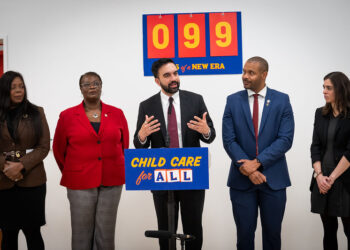
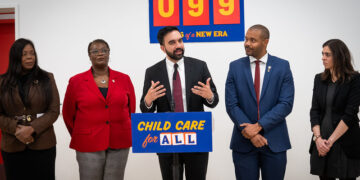
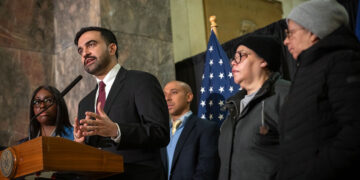
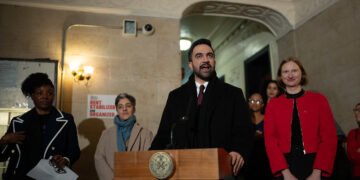
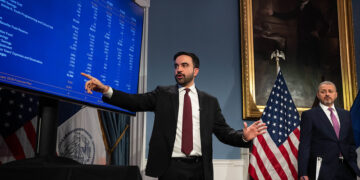
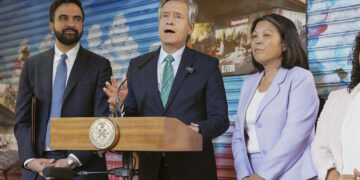
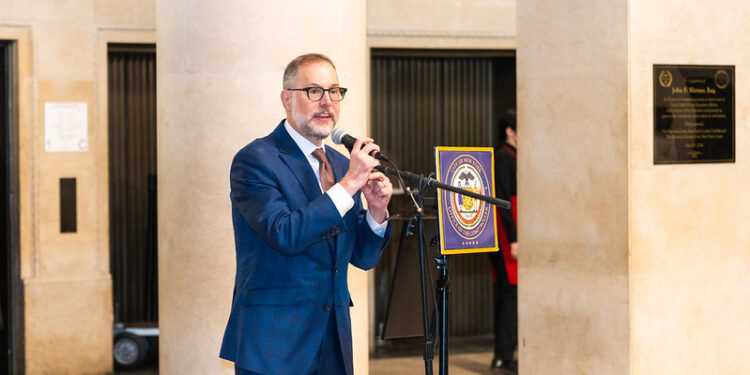
The Comptroller was careful to distinguish the source of this crisis. In a press conference held in Lower Manhattan he emphasized that the red ink is not a product of economic collapse. The vital signs of the city remain relatively strong. Broadway theaters are full and tourism numbers are rebounding. The stock market is holding steady. The problem according to Levine is not the economy but the math left behind by the previous administration.
Levine pointed directly to the budgeting practices of former Mayor Eric Adams as the primary culprit. The report outlines a pattern of underbudgeting for known and recurring expenses. Critical line items such as uniformed overtime rental assistance vouchers and homeless shelter operations were consistently funded on a temporary basis or underestimated in official projections. Now that the federal pandemic aid that papered over these cracks has evaporated the structural deficits are visible for all to see.
The $2.2 billion dollar gap for Fiscal Year 2026 which ends this June requires immediate attention. It means the Mamdani administration will likely have to implement a Program to Eliminate the Gap often referred to as a PEG which translates to service cuts or hiring freezes across city agencies.
However the $10.4 billion dollar projection for Fiscal Year 2027 is the true alarm bell. A deficit of that magnitude represents nearly ten percent of the city’s total revenue. Closing a gap that size without severe austerity measures or significant tax increases will require a level of fiscal gymnastics that few administrations have ever managed.
For Mayor Mamdani who ran on a platform of expanding social services and tenant protections this report serves as a harsh constraint. His ability to deliver on campaign promises will be severely limited by the need to stabilize the city’s ledger. The era of using one time federal stimulus checks to fund long term programs has officially ended.
Levine stated that his office is committed to working with the Mayor and state leadership in Albany to find a solution. Yet the tone of the report is clear. The city has been living beyond its means not because it is poor but because it has been dishonest about the true cost of its operations. As the new leadership settles in they are finding that the previous tenants left the lights on but took the checkbook with them.