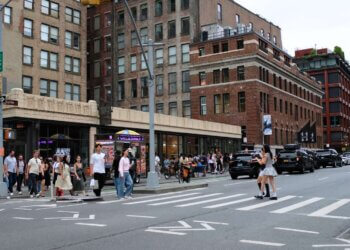





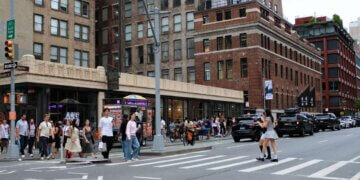












































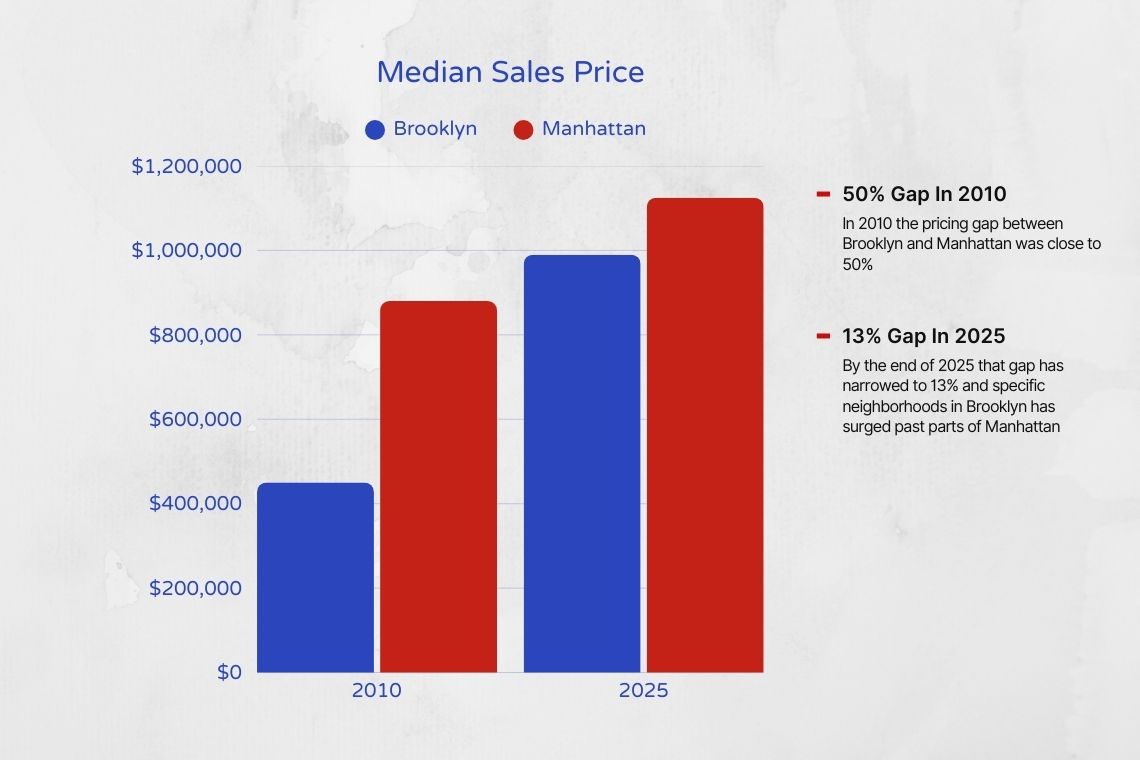
Fifteen years ago a buyer crossed the East River with a calculator in hand. In 2010 the math was undeniable. A move to Brooklyn meant sacrificing the prestige of a Manhattan zip code in exchange for a 50 percent discount on housing costs. It was a compromise born of necessity. Today that discount has shrunk to roughly 13 percent. Yet the trains are arguably more crowded and the bidding wars are fiercer. This begs a fundamental question. Why are New Yorkers fighting tooth and nail to pay Manhattan prices for a borough that was once the city’s affordable overflow valve?
New reports from Douglas Elliman and Miller Samuel released this week provide the hard numbers behind this psychological shift. The data reveals a market where the traditional hierarchy of value has been upended.
A Chasm Becomes a Crack
The convergence of prices is startling. In the fourth quarter of 2025 the median sales price in Brooklyn surged nearly 10 percent to reach $989,000 dollars. Across the river in Manhattan prices rose by a modest 2 percent to $1.125 million dollars. The price gap between the two boroughs which was once a chasm is now barely a crack. When you factor in the cost of renovation and transportation the financial advantage of leaving Manhattan has largely evaporated.
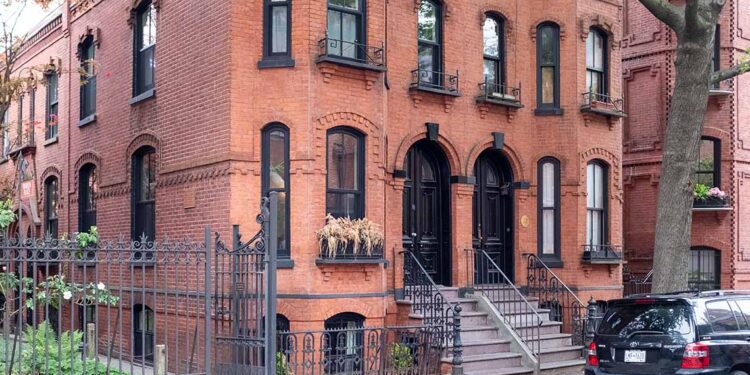
There is also the issue of scarcity. Manhattan has successfully manufactured inventory in the sky. Neighborhoods like Hudson Yards and the Financial District are packed with glass towers that offer identical luxury products. You can always build another condo. You cannot build another 19th century townhouse. The architectural inventory of Brooklyn is finite. The supply of prewar masonry homes in neighborhoods like Cobble Hill and Park Slope is fixed creating a collector mentality among buyers. They are not just buying a place to sleep. They are securing a piece of history that cannot be replicated.
However the price tag tells only half the story. The true cost of buying in Brooklyn today is measured in stress and competition. The report reveals a borough in the grip of a frenzy that Manhattan has largely avoided. Nearly 20 percent of all Brooklyn transactions in the fourth quarter involved a bidding war. In Manhattan that figure was less than 8 percent.
This creates a paradox that would have seemed impossible ten years ago. A buyer in the Upper East Side or Midtown is currently enjoying a more civilized purchasing process than a buyer in Park Slope or Bed Stuy. Manhattan has become a market of steady negotiation while Brooklyn has turned into a gladiator pit.
A Different Kind of Buyer
The underlying dynamics explain why this is happening. Manhattan remains a fortress for global capital where nearly 65 percent of deals are all cash. It functions as a safe deposit box for the wealthy. Brooklyn however is driven by the upper middle class and domestic buyers who are fighting for a limited supply of “forever homes.” Even with mortgage rates remaining a hurdle these buyers are proving to be less price sensitive and more emotionally driven than the investors buying condos in Midtown.
The definition of luxury has also shifted. The Brooklyn report shows that the top 10 percent of the market now commands a median price of nearly 3 million dollars. This is not a spillover market anymore. It is a primary destination. The brownstone neighborhoods are no longer competing with other boroughs. They are competing with the suburbs of Westchester and Connecticut and winning.
Real estate agents have started whispering a controversial piece of advice to clients seeking value. Look at Manhattan. With inventory in the city center stabilizing and competition lower the contrarian play for 2026 might be to stay on the island. The Brooklyn discount is dead. The question now is whether the Brooklyn premium is worth the fight.