












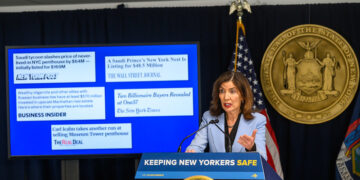



























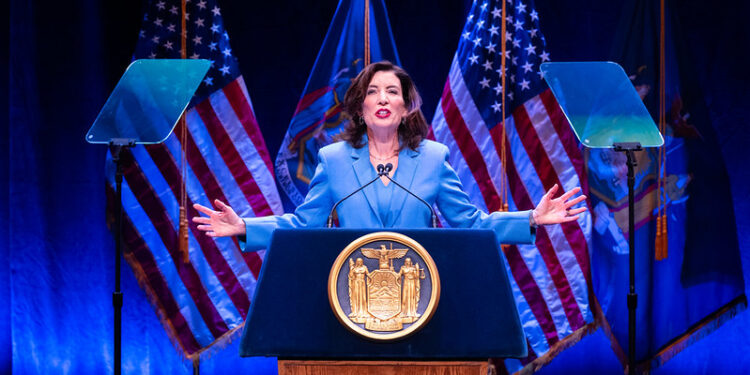
Governor Kathy Hochul unveiled a sweeping set of proposals this week aimed at lowering living costs for millions of New Yorkers, a central theme of her 2026 State of the State address and a sign of continued focus on economic relief as the state confronts inflation, housing pressures and rising everyday expenses.
Branded “Money in Your Pockets”, the governor’s new initiatives span child care, insurance, rent and utility costs, and food assistance, all intended to ease cost of living burdens that have weighed heavily on households across the state. Her proposals build on earlier affordability efforts embedded in the FY 2026 budget and seek to expand existing programs while introducing new tools to protect working families.
“We know New Yorkers are working harder than ever to make ends meet,” Hochul said. “These initiatives are designed to lower the costs that hit working families the hardest – from child care and energy to housing and insurance – and ensure that government is working for working people.”
Child Care and Early Education Relief
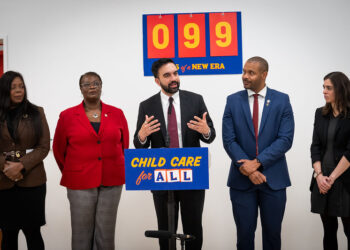
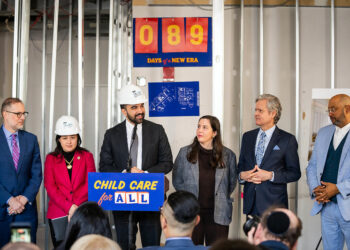
A cornerstone of the plan is a major expansion of child care support. Hochul proposed investments that would move New York toward universal, affordable child care, beginning with a $1.7 billion increase in funding for child care and pre-K services statewide. The expanded focus includes new pilots for countywide child care programs and subsidies for tens of thousands more families. An Office of Child Care and Early Education would be created to manage implementation, and continued outreach on the child tax credit aims to help eligible families fully benefit from a recent expansion that raises the annual credit to up to $1,000 per child under four.
Lower Insurance and Utility Costs
Hochul’s plan also targets high insurance and energy costs, which have eaten into family budgets. Recognizing that insurance fraud, particularly staged auto accidents, has driven up premiums, the governor would strengthen enforcement against fraud and cracking down on bad actors in partnership with multiple state agencies. Meanwhile, new proposals call for modernizing utility regulation to curb rate increases, expand discounts for energy efficiency upgrades, and enhance protections against unfair utility shutoffs.
Homeowners and renters would see protections too. Hochul proposed checks on excessive insurer profits, automatic ratepayer safeguards, and new penalties for landlords who engage in harassment of rent-regulated tenants. The plan would raise income limits for rent freeze programs which includes benefits for seniors and people with disabilities while helping more households avoid runaway rent increases or eviction.
Food Security and Monthly Relief
To combat food insecurity, the governor pledged increased investment in food assistance operations, including expanding capacity for food banks and pantries statewide. She also reaffirmed past efforts such as universal free school meals, which have already saved families thousands per child each year. Hochul’s broader affordability strategy builds on a record of inflation refund checks to millions of households and expanded unemployment benefits, all designed to put money back into local economies.
A Broader Affordability Push
The governor’s latest affordability push also includes a proposal to eliminate state income taxes on up to $25,000 in tipped income beginning in the 2026 tax year, a move aimed at easing financial pressure on service workers across New York. If approved by the Legislature, the change would allow restaurant servers, bartenders, delivery workers, and other tipped employees to keep more of their earnings at a time when rising rents and everyday expenses continue to outpace wage growth.
The administration has framed the proposal as both an economic relief measure and a recognition of the essential role tipped workers play in the state’s economy, particularly in cities like New York where service jobs underpin tourism, nightlife, and local business activity.
Hochul’s proposals come amid a broader campaign to make New York more livable and less costly, particularly as inflationary pressures intersect with housing shortages. State lawmakers and advocates have applauded the focus on targeted relief, while critics urge careful budgeting to balance costs with longer term sustainability.
As the legislative session moves forward, Hochul’s affordability agenda is expected to shape budget negotiations and policy debates, reflecting economic concerns shared by families from Buffalo to New York City.