

















































New York Governor Kathy Hochul announced that the MTA achieved a record breaking performance and ridership year in 2025 with milestones reached across subway, Long Island Rail Road and Metro-North Railroad services. Nearly 1.9 billion trips were taken on the MTA system last year, the highest total since 2019 and roughly 7 percent more than in 2024.
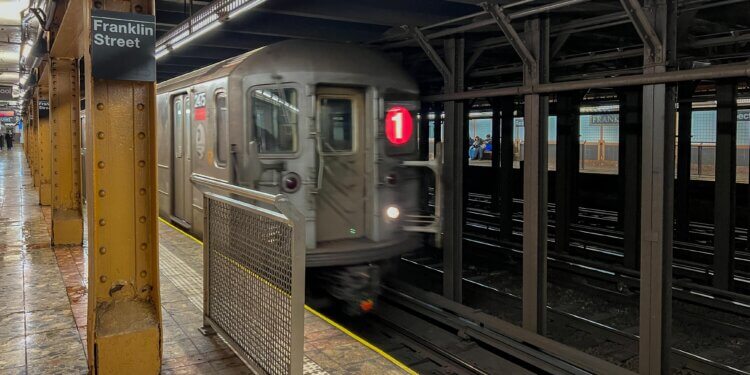
All three major MTA divisions set records for on-time performance in 2025, with subway weekday and weekend reliability reaching levels not seen since electronic record keeping began. Subway ridership climbed to nearly 1.3 billion total trips, continuing its post-pandemic recovery and hitting 85 percent of pre-COVID levels. Single day ridership records were also broken on multiple occasions, including more than 4.65 million subway rides in a single day in December 2025.
In addition to overall ridership, the subway experienced strong performance gains throughout the year, with weekday on-time performance improving by more than two percentage points over 2024. LIRR and Metro-North also saw increased usage and record reliability, further highlighting a broad return of commuters and travelers to mass transit.
Hochul emphasized that the improvements reflect sustained investment in infrastructure, service reliability and customer service, noting that when transit thrives, “New York thrives.” She credited the “amazing MTA workforce” and historic capital funding from the state with helping to boost service and performance across the entire system.
The announcement coincided with fare and toll increases scheduled to take effect on January 4, 2026, for subways, buses, commuter rail and MTA operated bridges and tunnels, underscoring the financial realities of maintaining and expanding the city’s transit network even as ridership grows.
The news of record ridership is part of a broader context in which the MTA and state officials have highlighted transit success stories throughout the year, including post-pandemic ridership peaks, weekend ridership records, and milestones in contactless fare technology usage.
Overall, the 2025 performance figures suggest that New Yorkers are once again relying heavily on public transit for commuting, leisure and travel, even as the region continues to navigate challenges related to infrastructure upgrades, operating costs and service expectations.