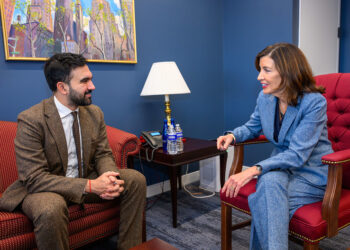












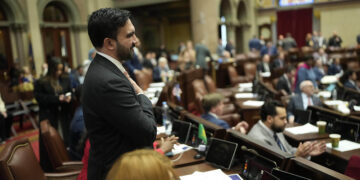




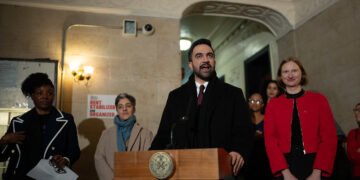





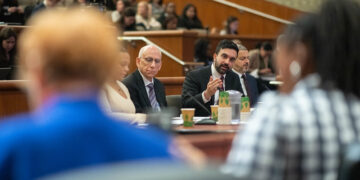


















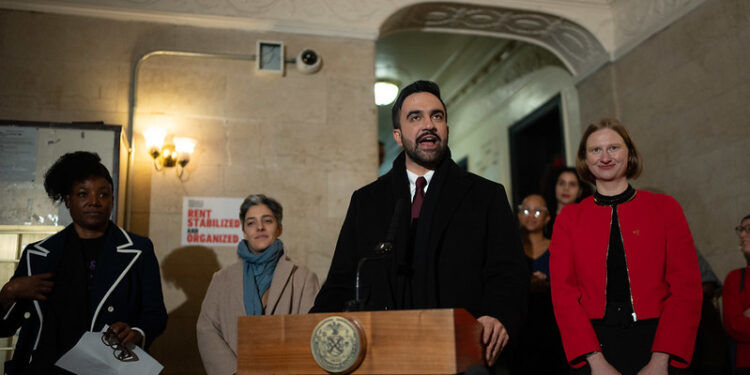
Mayor Zohran Mamdani on Wednesday moved to cement his vision of a “People’s New York” by appointing six members to the Rent Guidelines Board, a decisive maneuver that effectively hands a progressive majority to the panel responsible for the leases of nearly two million New Yorkers.
The move, coming just months after Mr. Mamdani’s historic election as a democratic socialist, clears the path for him to fulfill a campaign cornerstone: a citywide rent freeze. By installing a new chair and a cohort of economists and labor leaders, the Mayor has effectively ended an era of incremental rent hikes that defined the previous administration.
An Ideological Shift
The appointees reflect a sharp departure from the real estate aligned pragmatism of the past. At the helm is Chantella Mitchell, a veteran of the city’s Department of Housing Preservation and Development and current director at the New York Community Trust. As Chair, Ms. Mitchell will oversee a board that now includes voices from the “heterodox” economic sphere—individuals who view rent stabilization not just as a regulatory tool, but as a mechanism for racial and economic equity.
Among the new public members are Lauren Melodia, an economist from the Center for New York City Affairs known for her work on macroeconomic justice, and Sina Sinai, a researcher from the Jain Family Institute whose work focuses on public wealth. They are joined by Brandon Mancilla, a regional director for the United Auto Workers, signaling a newfound alliance between the labor movement and the city’s tenant base.
The “Nuclear Option” and the Landlord’s Dilemma
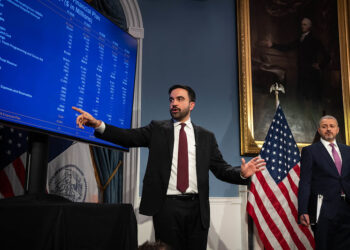
The announcement did not happen in a vacuum. It comes less than 24 hours after Mr. Mamdani proposed a 9.5 percent property tax hike—which he termed a “nuclear option”—to close a $5.4 billion budget shortfall. The Mayor has framed the tax hike as a “last resort” should the state fail to pass a wealth tax on billionaires.
For the city’s property owners, the dual prospect of a rent freeze and a massive tax increase represents a “scissors effect” that many fear will lead to insolvency.
“The math simply does not work,” said Maksim Wynn, the newly appointed owner representative and a director at Procida Development Group. While Mr. Wynn is now part of the board, he represents a minority voice on a panel that appears poised to prioritize tenant “ability to pay” over landlord operating costs.
A Collision Course with the Law
Tenant advocates, led by the reappointed Adán Soltren of the Legal Aid Society, have hailed the appointments as a “restoration of the board’s true mission.” However, the path to a zero-percent increase is fraught with legal landmines.
State law requires the Rent Guidelines Board to base its decisions on economic data, including the cost of fuel, insurance, and maintenance. Real estate groups have already hinted at litigation, arguing that a predetermined rent freeze—driven by campaign promises rather than data—would be an “arbitrary and capricious” abuse of power.
What Comes Next
The board’s impact will be felt by tenants signing leases starting October 1, 2026. The immediate timeline for the board is as follows:
- March – April 2026: Review of the “Price Index of Operating Costs” and staff research.
- May 2026: A preliminary vote to set the range for rent adjustments.
- June 2026: A final, televised vote that will serve as the first major test of the Mamdani administration’s ability to govern from the left.
“New Yorkers voted for bold change,” Mr. Mamdani said Wednesday. “With this board, we are delivering it.”