






































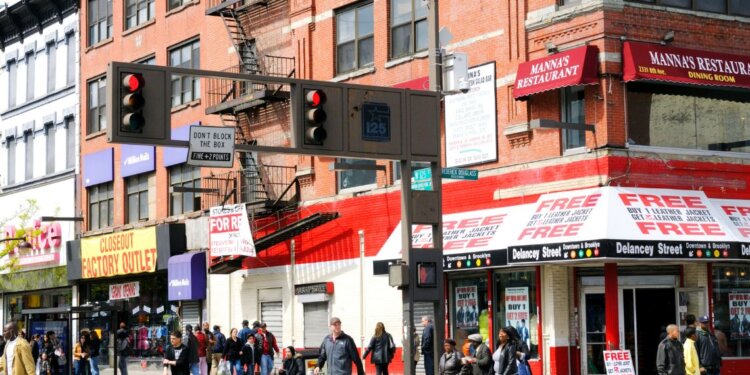
New York City has begun activating a major expansion of its red light camera program, aiming to install cameras at hundreds more intersections this year as part of a broader push to reduce dangerous driving and protect pedestrians, cyclists and motorists.
The New York City Department of Transportation (NYC DOT) announced on that it will activate 50 new red light camera locations each week over the next five weeks, adding cameras at more than 250 intersections by early February and ultimately reaching a goal of 600 intersections by the end of 2026.
Previously, state law capped New York City’s red light camera program at just 150 intersections, despite evidence showing these devices are effective in reducing dangerous driver behavior. The state legislature changed that restriction in recent years, allowing the city to expand to 600 intersections, a fourfold increase and also giving DOT authority to extend the program citywide.
“Red light running is one of the most dangerous behaviors on our city’s streets and puts all New Yorkers at risk,” said NYC DOT Commissioner Mike Flynn. “These cameras have reduced red light running 73 percent in the intersections where they are installed, and we will pair this heightened enforcement with ambitious street redesigns to make our streets safer.”
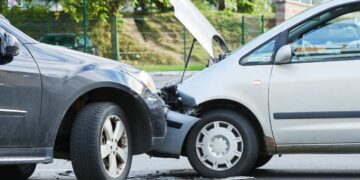
According to DOT data, existing red light cameras have had a dramatic impact at locations where they already operate: a 73 percent drop in red light running, a 65 percent reduction in T-bone collisions, and a 49 percent decline in rear-end crashes. These improvements reflect the city’s longstanding commitment to Vision Zero, an initiative aimed at eliminating traffic deaths and serious injuries.
Red light cameras work by photographing vehicles that enter intersections after a signal turns red. Notices of liability are then mailed to the registered owner of the vehicle. While fines are issued, the city and public safety advocates emphasize that the primary purpose is deterrence and crash prevention, not revenue generation.
City leaders say the expanded program will help curb reckless driving — a priority for communities that have struggled with high rates of pedestrian injuries and fatalities in recent years. State Senator Andrew Gounardes, who sponsored the expansion legislation, said the data clearly shows red light cameras “reduce crashes and save lives.”
The rollout will take place across all five boroughs, with camera locations chosen based on crash history and safety data to target intersections with the greatest risk. It comes as the city also continues other Vision Zero efforts, including street redesigns and automated enforcement for speeding and bus lane violations, aimed at reducing traffic violence citywide.
The expansion is expected to be complete by the end of this year, ultimately bringing automated red-light enforcement to a much larger share of the city’s intersections than ever before.
How Red Light Camera Tickets Work in New York City
Red light cameras are triggered when a vehicle enters an intersection after the traffic signal has turned red. The system photographs the license plate and records a short video clip of the violation. The ticket is issued to the registered owner of the vehicle, not the driver.
The fine for a red light camera violation in New York City is 50 dollars. There are no points added to a driver’s license and violations do not affect insurance rates. Tickets are mailed to the vehicle owner, who has the option to pay the fine or contest it online or by mail.
Cameras operate at all times, including nights and weekends. City officials emphasize that the goal of the program is deterrence and safety, not revenue. According to the Department of Transportation, most drivers change their behavior after receiving a single violation notice.
By the Numbers: What the Data Shows
At intersections where red light cameras are already installed, the city reports a 73 percent reduction in red light running. Side impact crashes, often the most dangerous type of collision at intersections, have dropped by 65 percent, while rear end crashes have declined by nearly 50 percent.
The city plans to expand from 150 camera locations to 600 intersections by the end of 2026. New locations are selected based on crash history, traffic volume, and injury data, with a focus on corridors where pedestrians and cyclists are most at risk.
Why the Expansion Matters to Communities
Traffic violence remains one of the leading causes of injury in New York City, particularly in neighborhoods with wide arterial roads and high traffic volumes. Automated enforcement helps protect residents in areas that have historically seen fewer street safety investments.
The expansion is a key part of Vision Zero, the city’s long running effort to eliminate traffic deaths. By increasing enforcement consistency, the city hopes to reduce dangerous driving behaviors without requiring constant police presence.