




















































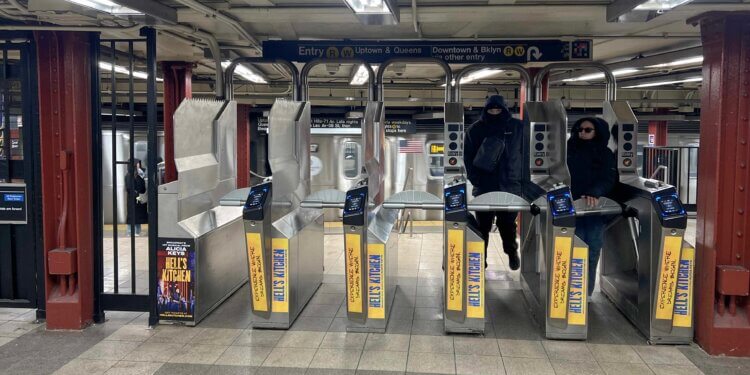
New Yorkers will face higher transit fares starting Sunday when the MTA implements a new round of fare increases across subways, buses and commuter rail as part of a broader overhaul of how people pay for transit. The changes coincide with the full transition to the OMNY fare system, marking the end of the MetroCard era.
Under the updated pricing, the base fare for a subway or local bus ride rises by 10 cents to $3.00, up from $2.90. Reduced fare riders, including some seniors and people with disabilities, will see their base fare increase from $1.45 to $1.50. Express buses will cost $7.25, and the reduced fare for express service will go from $3.50 to $3.60. Single ride tickets for tourists or infrequent riders will also increase, rising to $3.50.
The changes are part of a fare package approved by the MTA board in September 2025 and delayed until early January to align the increases with the full rollout of OMNY, the agency’s modern contactless payment system. Eliminating the need for swiping or storing paper MetroCards also allows the MTA to simplify fare structures and roll out automatic fare capping. Beginning Jan. 4, a new OMNY card costs $2, up from the introduction-period price of $1, though many riders already use digital wallets or bank cards.
Beyond subways and buses, commuter rail fares on the Long Island Rail Road and Metro-North Railroad will also rise in early January. Monthly and weekly tickets will increase by up to 4.5 percent, and certain one way fares could rise by about 8 percent, depending on distance and timing.
In addition to transit fare increases, tolls on bridges and tunnels operated by the MTA are rising, usually by several cents, and new ticket options like an unlimited Day Pass, valid until 4 a.m. the following day, are becoming part of the standard fare suite.
For daily commuters, the new prices mean budgeting slightly more for travel in a city with increasing costs.