




















































New York City’s skyline is welcoming one of its most consequential additions in decades with the new JPMorgan Chase building at 270 Park Avenue. The tower is not merely another office building. It represents a bold statement about the future of urban workplace design, American finance, and sustainable architecture at a time when the city is seeking economic rebound and global relevance.
The site at 270 Park Avenue has been home to the Union Carbide Building since the early 1960s. That structure was one of the city’s iconic modernist office towers, but in 2018 its owner JPMorgan Chase announced plans to replace it with a new flagship headquarters. The old building was carefully and thoughtfully dismantled through a highly engineered deconstruction process aimed at minimizing material waste and environmental impact. The result cleared the way for a fresh statement about how major corporate space can look and feel in a world very different from the one that existed sixty years ago.
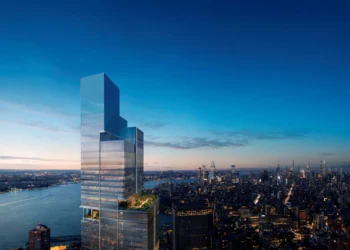
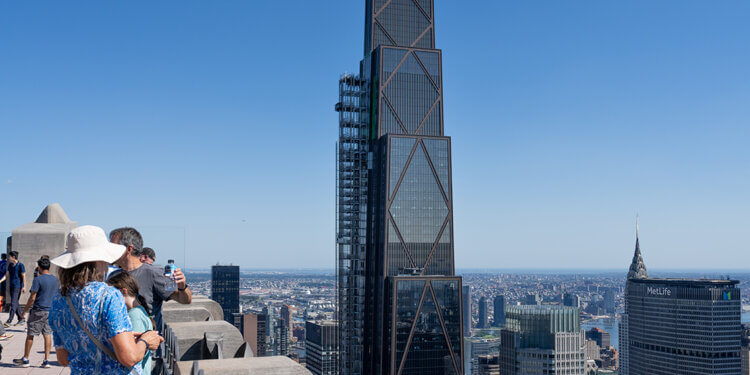
The new tower rises more than seventy stories above Midtown Manhattan, making it one of the tallest buildings in the city. Its design emphasizes slender form and elegant glass facades that catch light differently as the seasons change. Architects focused on creating not simply height but presence. The building incorporates large open floors with abundant daylight and flexible interior layouts that reflect modern expectations for workplace environments that support collaboration and creativity.
What makes the project especially significant is its embrace of next generation standards for energy use and environmental performance. Where older corporate headquarters once relied on heavy mechanical systems and deep interior zones with poor daylight, the new tower prioritizes transparency. The design teams integrated high efficiency systems for ventilation, cooling and heating that drastically lower energy consumption compared to typical office buildings. Many of the materials used in construction were selected for low carbon intensity and potential for reuse over time. This type of forward thinking aligns with the city and state’s broader goals for reducing greenhouse emissions from buildings which are the largest source of carbon output in the region.
Economically the building carries weight well beyond the JPMorgan Chase campus. Its construction phase has already supported thousands of jobs in trades, engineering, planning and logistics. Once fully occupied it will house tens of thousands of employees, generating significant spending at restaurants, transit services, retail and hotels throughout Midtown and the surrounding neighborhoods.
In a time when many major firms are rethinking long term office plans the decision by one of the world’s largest financial institutions to invest in a new headquarters in New York City sends a clear message about confidence in the city as a place to do business. It underscores the enduring appeal of Manhattan as a center of finance and commerce.
Beyond economics and architecture the new 270 Park Avenue building symbolizes renewal for a city that has been tested by changing patterns of work and urban life. It suggests a future in which thoughtful design innovation and economic ambition go hand in hand. As it rises into the skyline the tower will stand as a testament to New York’s capacity to reinvent itself while honoring its legacy as a global city of business and ideas.