


















































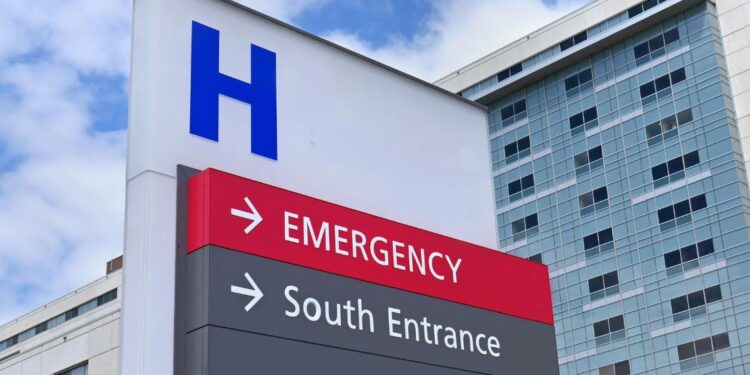
This morning almost 15,000 nurses walked off the job at major hospitals in Manhattan and the Bronx, marking the largest nurses’ strike in New York City history after contract negotiations failed to produce agreements that met core union demands.
Picket lines formed early in the morning, starting around 6 a.m. at Mount Sinai Hospital and its satellite campuses, before spreading to other facilities including NewYork Presbyterian and Montefiore Medical Center in the Bronx.
The walkout, organized by the New York State Nurses Association (NYSNA), began after months of bargaining over workplace conditions and contract terms fell apart over the weekend. Union leadership said nurses did not take the decision lightly but felt they were left with no alternative after hospitals failed to address key safety and staffing concerns.
“Nurses preferred to continue providing patient care, but our bosses have given nurses no other option but to strike,” NYSNA President Nancy Hagans told reporters ahead of the walkout.
Why Nurses Walked Out
The strike centers on a range of issues tied to staffing and safety, including:
- Safe staffing ratios: Nurses argue that chronic understaffing forces them to care for too many patients at once, risking patient safety and contributing to burnout.
- Workplace safety: The union highlighted concerns about violent incidents in hospitals, including a recent case involving a barricaded individual, and the need for stronger protections for staff.
- Healthcare benefits: Nurses allege that some hospitals have threatened to cut or weaken existing healthcare benefits rather than preserve them in new contracts.
- Use of technology: NYSNA has raised concerns about how hospitals deploy artificial intelligence in clinical roles without adequate safeguards.
The union delivered 10-day strike notices to affected hospitals on January 2 after previous contracts expired on December 31, 2025. Negotiators continued talks through the weekend, but no breakthrough was reached by the strike deadline.
Where the Strike Is Happening
The earliest pickets were seen at:
- Mount Sinai Hospital and its branches at Morningside and West in Manhattan.
- New York Presbyterian, including its Allen, Columbia University Irving Medical Center and Children’s Hospital campuses.
- Montefiore Medical Center in the Bronx, including Weiler, Moses, and Hutchinson campuses.
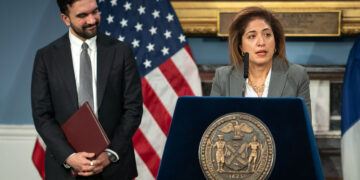
Union leaders also held a press conference outside NewYork-Presbyterian Millstein Hospital at 10 a.m. to discuss the walkout and outline their demands.
Hospital Responses and Emergency Preparations
Hospitals affected by the walkout have been preparing for the possibility of a strike, hiring temporary nurses to fill shifts and developing contingency plans to minimize disruptions to care. Administrators have said they are committed to maintaining essential services and will take necessary steps to ensure patient needs are met during the strike.
Allied health officials, including Governor Kathy Hochul, urged both sides to resume talks, emphasizing that patient safety must remain the highest priority amid one of the city’s worst flu seasons in recent memory. The state has directed health department staff to be on site at affected facilities throughout the strike to ensure continuity of care.
The strike follows a similar but shorter walkout in 2023 that resulted in wage increases and promises to address staffing issues, but nurses say progress has been uneven and insufficient at some of the city’s largest hospital systems.
With negotiations now paused and picket lines established, the strike is expected to continue until significant movement on contract terms is made.