












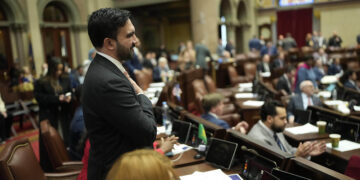





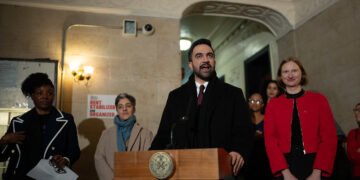







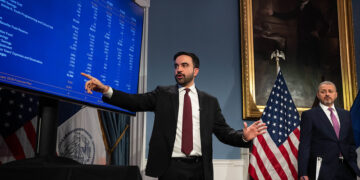




















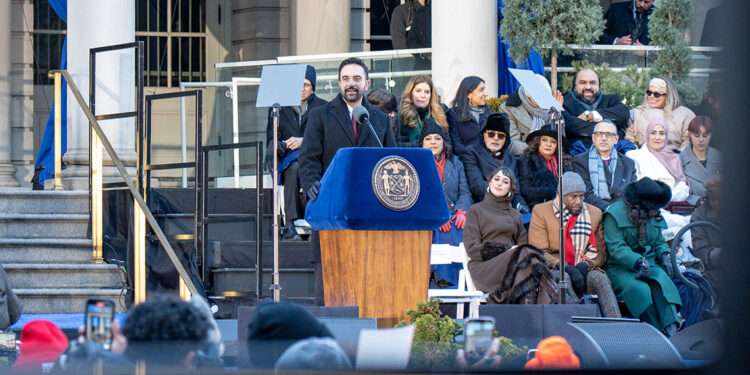
Since taking office, Zohran Mamdani has moved quickly to put his stamp on City Hall, pushing early actions that reflect his campaign rhetoric and illuminating the hard realities of governing America’s largest city. The 34-year-old mayor made history as the youngest leader of New York City in more than a century.
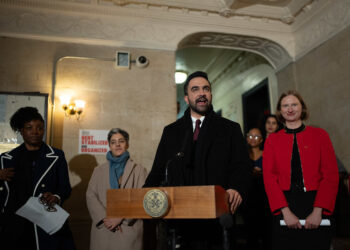
Mamdani’s inauguration was more than symbolic. In his speech he pledged to deliver an agenda of safety, affordability, and abundance, promising a new era of activism and responsiveness at a time when New Yorkers are reeling from high living costs and longstanding inequities.
Early Actions and Policy Signals
On his very first day in office, Mamdani signed a series of executive orders that set the tone for his administration and reflected key campaign priorities. He revoked all executive orders issued by his predecessor after late 2024, arguing that a reset was needed to restore trust and align government with New Yorkers’ needs.
Housing has been a central theme. Nearly immediately, he revitalized the Mayor’s Office to Protect Tenants and created two task forces, LIFT (Land Inventory Fast Track) and SPEED (Streamlining Procedures to Expedite Equitable Development) that will accelerate housing construction on city owned land and cut bureaucratic red tape that had hobbled new development.
Within days, his administration helped secure a $2.1 million settlement involving A&E Real Estate, requiring the correction of thousands of building violations and stronger protections against tenant harassment in more than a dozen buildings across the city, a practical step toward enforcing the pro-tenant stance he championed.
Mamdani also signed emergency executive orders aimed at bringing the city into compliance with standards for jails and shelters, including plans to end solitary confinement and restore health and safety codes that had been suspended amid the asylum seeker influx. These actions illustrate his willingness to confront entrenched administrative issues rather than defer them.
Another early initiative was the creation of a Mayor’s Office of Mass Engagement which is a new arm intended to integrate citizen input more directly into decision-making, with “rental ripoff” hearings planned across all five boroughs within 100 days. It signals a break from top-down governance toward more participatory government.
In economic policy, Mamdani directed his economic justice deputy to review and cut burdensome fines and fees that small businesses face, aiming to reduce operating costs for entrepreneurs across the city.
Promises in Progress — and Some Reversals
Mamdani ran on a bold platform that included free buses, a city-wide rent freeze, universal child care, and a dramatic expansion of housing and living standards across the city. While his early housing and tenant measures align closely with those promises, several flagship campaign ideas have yet to materialize in concrete policy.
Most notably, Mamdani reversed course on a high-profile campaign promise to end mayoral control of the city’s public schools. Instead of dismantling centralized governance, he signaled support for its continuation while seeking reforms, acknowledging the complexities of managing a sprawling school system.
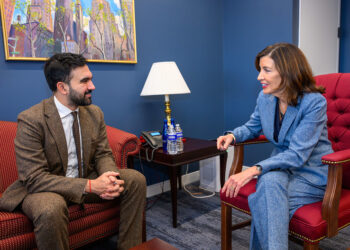
Similarly, while universal child care was a central campaign theme, full implementation plans, including detailed funding mechanisms and workforce development, are still in the early stages of negotiation with state partners, leaving parents and advocates waiting for a clearer timeline.
Challenges and Headwinds
Mamdani’s early tenure hasn’t been without controversy or pushback. Some of his initial executive actions, particularly the blanket repeal of orders from the previous mayor, including those concerning definitions of antisemitism and protest zones, drew criticism from Jewish organizations and commentators who see the moves as undermining protections and trust.
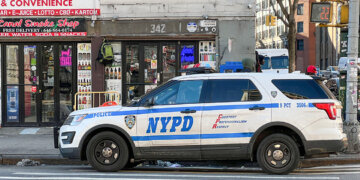
In terms of public safety, the mayor faces the persistent challenges that any NYC leader must manage: spikes in violent crime and complex debates about policing and community responses. In his first weeks, he has reiterated support for mental health-led crisis interventions but has yet to provide detailed operational plans for his proposed Department of Community Safety.
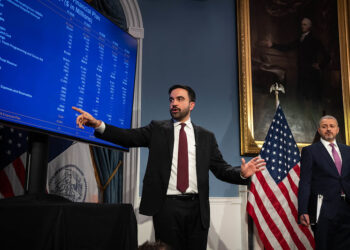
Budget realities also loom large. Analysts note that Mamdani’s expansive ambitions will need to grapple with city budget constraints, forcing trade-offs between long-term programs and immediate needs.
What’s Next
Mamdani’s first weeks point to an administration eager to act quickly on affordability, housing, tenant protections, and civic engagement. But many of his hallmark promises, free transit, universal child care, sweeping housing reforms will require legislative cooperation, detailed funding plans and sustained political support.
As he approaches the city’s first budget cycle under his leadership, how he balances grand vision with municipal governance realities will likely determine whether his early momentum translates into real change for New Yorkers.