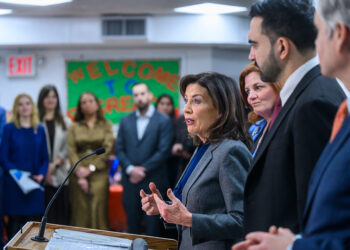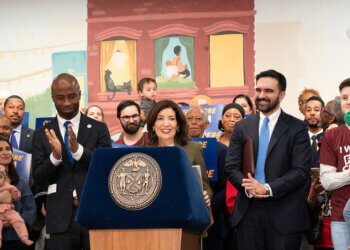
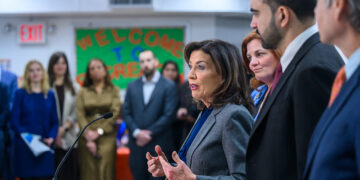

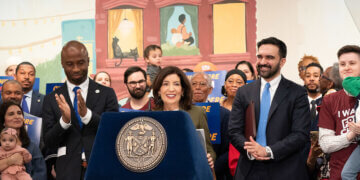


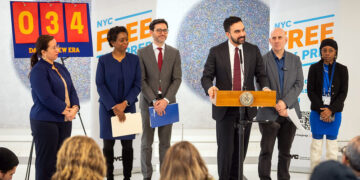




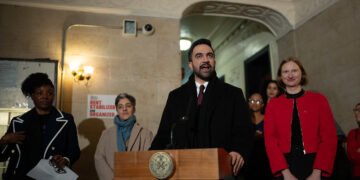
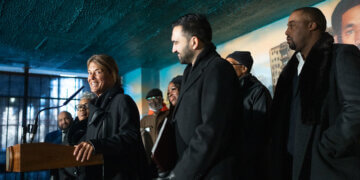

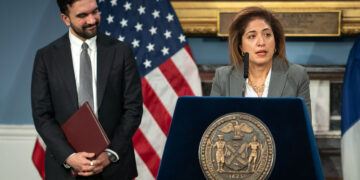










In another quality of life initiative as mayor, Zohran Mamdani announced a $4 million commitment to vastly expand access to public bathrooms across New York City, responding to long-standing complaints from residents, visitors and community groups about the acute scarcity of such facilities. The plan, unveiled Saturday at an event in West Harlem alongside City Council Speaker Julie Menin, represents a rare city wide effort to tackle an everyday challenge that impacts people’s ability to navigate the five boroughs with dignity and ease.
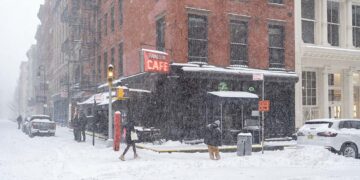
At the announcement, Mamdani said New Yorkers “should not have to spend $9 on a cup of coffee just to have access to a restroom,” a pointed comment that underscores the basic nature of the issue. Currently, the city has roughly 1,000 public restrooms, about one per 8,500 residents, most of which are located inside parks and are not always available where people live, work and travel. The new funding will help bring more accessible facilities to streets, plazas and high need pedestrian corridors across all five boroughs.
The $4 million will be used to issue a Request for Proposals (RFP) for 20 to 30 modular, high quality public restrooms that can be installed without extensive underground plumbing work. Officials expect the modular design, which does not need sewer line connections, to reduce construction complexity and accelerate deployment, though exact installation timelines and locations will be determined once proposals are reviewed and contracts awarded.
These new facilities are expected to be self-cleaning, have maintenance performed at least twice a day, and include features such as water bottle fillers and ADA-accessible entrances. Improvements that will benefit not just residents but tourists, seniors, delivery workers and people with medical needs. Mamdani and Menin pointed to data showing that New York trails peer cities in public bathroom access, and said the expansion will help close that gap and improve livability across neighborhoods.
The initiative builds on earlier actions by the City Council, which in 2025 passed legislation aiming to eventually more than double the number of public bathrooms to over 2,100 by 2035. That plan, often called the “Bathroom Bill,” sought to address racial and class inequities tied to the lack of facilities, which disproportionately affect unhoused individuals, caregivers, older adults, and people with medical conditions.
Public reaction to the announcement was broadly positive among community advocates who have long flagged the restroom shortage as a core urban problem. Many noted that a lack of bathrooms can literally force people to limit their time outdoors, avoid neighborhoods without facilities, or face fines for public urination. Mamdani’s office emphasized that this is meant to be a pilot phase, with lessons from the first wave of installations informing future expansion, potentially leading to hundreds of additional facilities over the next decade.
The mayor’s push also reflects a broader theme of his early administration: addressing the everyday challenges of city life that affect working families and underserved communities. By tackling something as basic as bathroom access, Mamdani is signaling a focus on practical infrastructure improvements that help residents navigate New York’s dense urban environment with dignity.
As the city moves forward with issuing the RFP and selecting vendors, residents and civic groups will be watching closely to see where the first wave of new restrooms will appear and how quickly they can be installed.