
























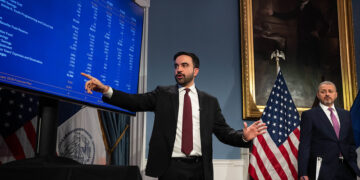
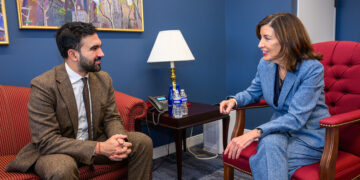
























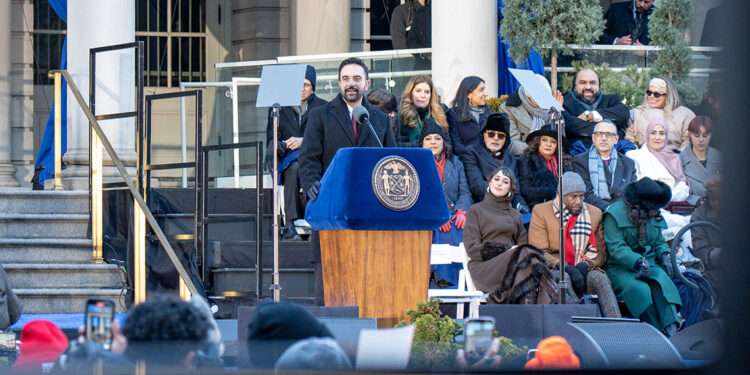
On his first full day in office, Mayor Zohran Mamdani wasted no time reshaping the priorities of New York City government by signing a slate of executive orders designed to tackle the housing crisis, protect tenants and streamline development. Taken together, these actions signal a dramatic shift in how the city will approach land use, housing enforcement and the coordination of city agencies — with ripple effects for renters, developers and community groups across all five boroughs.
Mamdani’s executive actions, focuses on four major areas: tenant protections, housing production, bureaucratic reform, and accountability for negligent property owners. Officials say that these orders reflect campaign commitments and respond to long standing frustrations from residents who have struggled with rising rents, slow permitting and unsafe living conditions.
At the center of the mayor’s first policy push is an order to revitalize the Mayor’s Office to Protect Tenants. The office existed under the Adams administration, but Mayor Mamdani expanded its authority, elevated its leadership and clarified its mission. Cea Weaver, a nationally recognized housing advocate, was named as director.
The newly strengthened policy will have expanded powers to coordinate housing enforcement across city agencies, serve as a clearinghouse for tenant complaints, and intervene directly in situations where landlords have failed to maintain safe, legal housing. The order makes clear that the office will act as a watchdog on behalf of tenants, with the ability to elevate cases to enforcement units and push agencies such as the Department of Housing Preservation and Development and the Department of Buildings to act more swiftly.
The increased scope of the Mayor’s Office to Protect Tenants stands to affect tens of thousands of New Yorkers who live in rent-regulated or market rentals alike. By centralizing enforcement and complaint tracking, officials hope to reduce the backlog of unresolved tenant issues which have long plagued communities in the Bronx and Brooklyn.
Another significant executive order created the LIFT Task Force (Land Inventory Fast Track), aimed at identifying publicly owned land that could be used for housing development. Chaired jointly by senior city planners and housing officials, the task force is charged with conducting a comprehensive review of city owned properties and submitting a list of viable housing sites by July 1, 2026. These sites are intended to accelerate development of affordable housing and mixed-income projects on land the city already owns, cutting through years of delay tied to land assembly and negotiations.
Complementing the LIFT Task Force, Mamdani also signed an order creating the SPEED Task Force (Streamlining Procedures to Expedite Equitable Development). This office will focus on reforming the permitting and review process that often slows construction of homes, community facilities and other critical infrastructure. The task force will work with DOB, HPD, the Department of City Planning and other agencies to reduce red tape and eliminate procedural barriers that advocates say have contributed to delays and higher construction costs. The order directs the group to produce a preliminary set of recommended reforms, including changes to public review processes, within 180 days.
Both the LIFT and SPEED task forces are intended to impact developers, community boards and neighborhood groups that participate in land use reviews. By accelerating approvals and clarifying criteria, the administration hopes to reduce friction in building proposals that have languished for years.
Perhaps the most striking executive order issued on January 1 was the city’s intervention in a high profile property owner bankruptcy. Mamdani signed an order authorizing the city to step into the bankruptcy proceeding of Pinnacle Realty, a large landlord with a long record of housing code violations and complaints. Under the order, city agencies may use administrative authority to ensure that safety repairs and tenant protections continue while the property changes hands. This represents a departure from past practice in which landlord bankruptcies often stalled enforcement action, leaving tenants in unsafe conditions.
Mayor Mamdani also revoked all executive directives issued by his predecessor after late 2024, a move his team described as a reset of City Hall priorities.
Taken together, these executive orders strike at the heart of what Mamdani described as the “dual crises of housing insecurity and bureaucratic inertia.” For renters, the expanded tenant protection office offers the promise of quicker responses to unsafe conditions and a more centralized path for complaints. For developers and builders, the new task forces promise procedural clarity and potentially faster timelines, though some community groups worry that expedited reviews could reduce opportunities for public input.
As the Mamdani administration settles into its first weeks, all eyes will be on how these executive directives are implemented, how they interact with legislative priorities, and whether they can translate campaign promises into tangible improvements for New Yorkers.