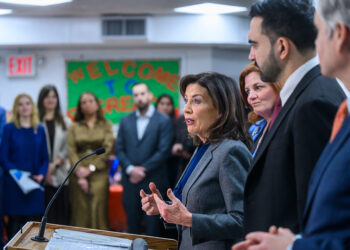
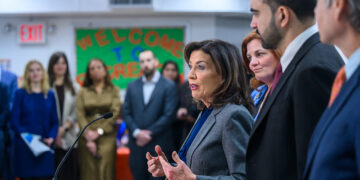













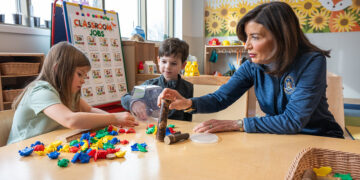




































As the tax filing season officially opened on Monday, Governor Kathy Hochul announced the largest expansion of New York’s child tax credit in the program’s history, part of an aggressive push to address the state’s soaring cost of living and a persistent child poverty crisis.
The expansion of the Empire State Child Credit, which was secured in the most recent state budget, will significantly increase the amount of money flowing to low- and middle-income families. For the first time, households with children under the age of 4 are eligible for a credit of up to $1,000 per child, while the credit for older children remains at $330 for the current filing year before rising again in 2027.
“The Empire State Child Credit delivers a vital financial boost to New York families,” Ms. Hochul said in a statement. “Now, after the largest expansion of the credit in New York history, more New Yorkers have access to the credit than ever, which will put money directly in families’ pockets and help make our state more affordable for millions of recipients.”
The announcement comes at a pivotal moment for Ms. Hochul, who has made “affordability” the central pillar of her legislative agenda as she navigates a political landscape where the high cost of housing and daily essentials has become a primary concern for voters.
State officials estimate that the changes will nearly double the average benefit for families, from $472 to $943. Perhaps more significantly, the state has eliminated a long-standing “phase-in” provision that previously prevented the poorest families including those with little or no earned income, from claiming the full value of the credit. By removing this floor, the administration hopes to reach those most at risk as projections suggest the expansion could reduce child poverty in New York by more than 8 percent.
The revised rules also cast a wider net for the middle class. While the full credit remains available to married couples filing jointly with incomes up to $110,000, a new, more gradual phase-out allows families with higher earnings to receive partial benefits. Under the new structure, a family of four with one toddler and one school-age child earning as much as $170,000, could now receive more than $500.
“From groceries to strollers to kids’ clothes, the cost of living and raising a family is still too damn high,” Ms. Hochul added, echoing a phrase she has frequently used to describe the state’s economic challenges.
The move was met with cautious optimism by anti-poverty advocates, who have long argued that direct cash transfers are the most efficient way to support struggling households.
“Lifting the minimum income requirement is a game changer for the families who need this support the most,” said one advocate for children’s rights in the state. “But the challenge now is ensuring that every eligible family actually files their taxes to claim it.”
State officials emphasized that the credit is refundable, meaning that if the credit exceeds a taxpayer’s liability, they receive the difference as a refund check. However, the Governor noted that to receive the money, New Yorkers must file a state tax return which is a hurdle for some low-income residents who may not otherwise be required to file.
The expansion of the child tax credit is part of a broader $9 billion affordability package touted by the Hochul administration, which includes minimum wage increases and middle-class tax cuts. Critics, however, have questioned whether these targeted credits can keep pace with the state’s reputation for high taxes and the high cost of childcare, which remains a significant burden for many professional and working-class parents.
As the 2026 tax season begins, the administration is planning a statewide push to raise awareness of the credit, including through partnerships with community organizations and free tax-preparation sites.
“This isn’t just a tax policy,” Ms. Hochul said. “It’s a lifeline.”