
















































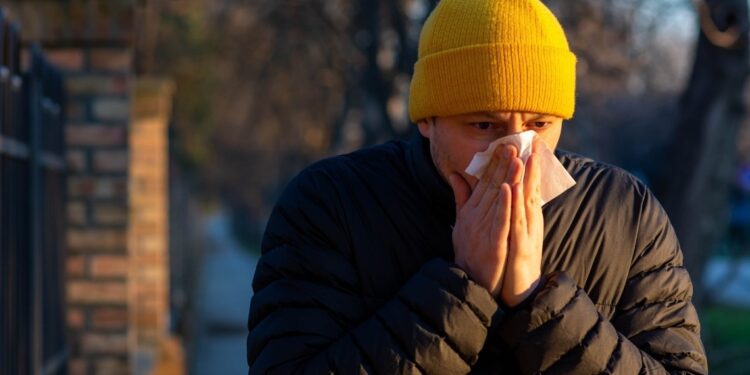
New York City is in the midst of a rapid and intense flu outbreak, with hospitals, clinics and schools reporting sharply rising numbers of influenza cases and related illnesses. The season, which began earlier and stronger than usual, has pushed local health systems to alert residents and encourage prevention measures as the virus spreads through communities across all five boroughs and beyond.
State health officials reported that for the week ending December 20, 2025, New York recorded 71,123 positive flu cases, the highest number ever documented in a single week since influenza became a reportable disease in 2004. That figure represents a 38 percent increase from the week before and brings the season’s total confirmed cases past 189,000 statewide. Hospitalizations have also climbed, rising from 2,251 to over 3,600 in just one week.
The surge in flu activity is mirrored locally in New York City, where health department data shows influenza activity increasing across age groups, including a sharp jump in emergency department visits and positive test results. Between mid and late November, laboratory reported flu cases in the city jumped more than 140 percent compared with earlier in the season.
Doctors and public health experts say multiple factors likely explain why the flu is spreading so widely this year. One key contributor is the emergence of a mutated strain of the H3N2 virus, known as subclade K, which appears to spread rapidly and can partly evade immunity from past infections and even vaccination. The result is that more people, including children and older adults, are becoming infected.
Adding to the challenge, flu vaccination rates in New York are relatively low this season compared with last year, especially among children. Public health data indicates a noticeable drop in the number of flu shots administered to both children and adults, which means fewer people have protective immunity as the virus circulates widely.
Another factor may be New Yorkers’ return to more indoor gatherings and travel during the holiday season. As the weather turned colder and people spent more time in close contact, conditions became ideal for the virus to spread from person to person. Schools, offices and public transit systems have seen higher numbers of symptomatic individuals, and some schools have reported significant absenteeism due to illness.
The impacts are visible throughout daily life. Emergency rooms are seeing increased patient volumes for flu like symptoms, and some urgent care centers report longer wait times for testing and treatment. Employers and families alike are feeling the effects as employees and children alike miss work and school due to illness.
Health officials continue to urge New Yorkers to take simple but effective steps to slow the spread: get vaccinated if you have not already, stay home when you are sick, wash hands frequently, and cover coughs and sneezes. While the current vaccine may not prevent every infection, it remains the best tool to reduce severe outcomes, including hospitalizations, particularly for the most vulnerable residents.
As flu season typically peaks in January, experts warn the worst may still be ahead and this year’s cold weather has also been another problem as we all try to stay warm.