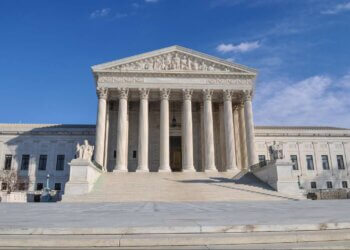





































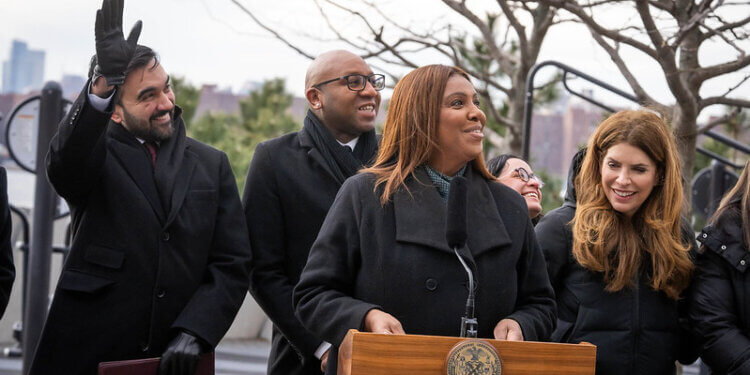
A federal judge has temporarily blocked the Trump administration from freezing more than $10 billion in federal funding for child care and social services, delivering a significant legal victory for New York and four other states that warned the cuts would cause immediate harm to vulnerable families.
The ruling came after New York Attorney General Letitia James joined attorneys general from California, Colorado, Illinois, and Minnesota in filing a lawsuit challenging the freeze, which targeted funds already approved by Congress for programs that support low income families, children, seniors, and people with disabilities. The judge’s order prevents the administration from halting the flow of money while the case proceeds, ensuring that states can continue operating essential programs for now.
At issue are federal funds tied to programs such as Temporary Assistance for Needy Families, the Child Care and Development Fund, and the Social Services Block Grant. In New York alone, the frozen money represents billions of dollars that help hundreds of thousands of families pay for child care, housing assistance, food, and basic living expenses. State officials argued that even a short interruption would have forced service providers to cut staff, close programs, or turn families away.
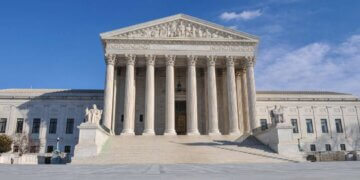
In granting the temporary block, the court signaled concern that the administration’s actions could exceed its authority by withholding funds that Congress has already appropriated. While the ruling does not resolve the case, it preserves the status quo and prevents what state officials described as an imminent crisis for families who rely on social safety net programs.
The Trump administration has defended the freeze by citing the need to review spending and guard against potential fraud. But New York and the other states argue that existing oversight mechanisms already allow for audits and enforcement without cutting off funding entirely. In court filings, the states said the freeze amounted to a unilateral policy decision with sweeping consequences, rather than a targeted anti fraud effort.
For New York, the temporary halt provides critical breathing room. Advocates for child care providers and social service organizations warned that many programs operate on thin margins and depend on steady federal reimbursements to remain open. A prolonged freeze, they said, would have rippled through communities already strained by high housing costs, inflation, and workforce shortages.
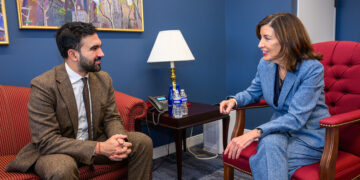
Attorney General James called the ruling an important step in protecting families, emphasizing that the lawsuit is ultimately about ensuring stability for children and caregivers. The case also reflects a broader pattern of legal challenges brought by states seeking to block federal actions that they say undermine social services or bypass congressional authority.
The court is expected to hear further arguments in the coming weeks as the states seek a permanent injunction. If they prevail, the decision could limit the federal government’s ability to pause or withhold congressionally approved funding without clear justification.
For now, the ruling ensures that child care centers remain open, social workers remain employed, and families across New York continue to receive the assistance they depend on.