






















































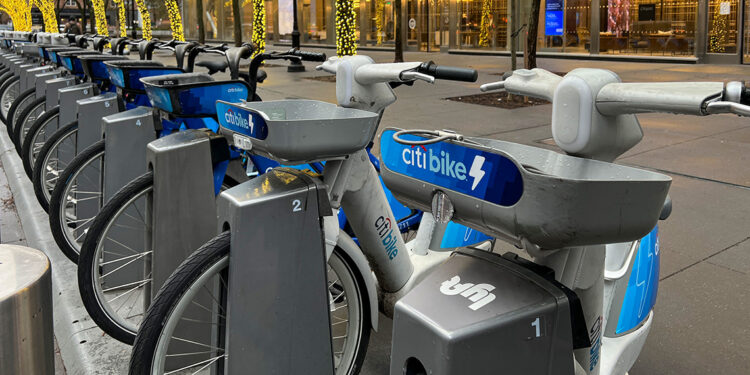
Citi Bike users across New York City will see higher costs beginning in January 2026 as the city’s bike share system implements a new round of price increases, a move that reflects rising operating expenses and broader inflation pressures affecting everyday life in the city. The changes, outlined by Citi Bike and its parent company Lyft, are intended to support the long term sustainability of a system that has expanded rapidly across the five boroughs while facing higher costs on nearly every front.
Under the new pricing plan, the cost of an annual Citi Bike membership will rise to $239 per year, with the increase taking effect on January 28, 2026. Riders who receive memberships through employer benefit programs will pay a reduced rate of $191, preserving a discount for commuters who rely on the system for daily travel. Monthly pricing for Reduced Fare Bike Share members will remain unchanged at $5, a decision officials say is meant to protect affordability for low income New Yorkers, though per minute riding fees will still increase for those users.
The most noticeable changes will be felt in per minute charges. Beginning January 5, 2026, ebike and overage fees for members in New York City will rise to 27 cents per minute, while non members will pay 41 cents per minute for ebike use and overages. Citi Bike will also raise the fee cap for ebike trips of 45 minutes or less that start or end in Manhattan to $5.40. These adjustments come as ebikes now account for a growing share of trips, driven by demand for faster and less physically demanding rides.
Citi Bike officials say the price increases are driven by a combination of factors that have reshaped operating costs in recent years. The system has nearly tripled in size, extending deeper into Brooklyn, Queens and the Bronx, and adding thousands of bikes and stations. At the same time, the cost of maintaining the network has risen sharply. Higher insurance premiums, increased labor costs for field staff, investments in station upgrades and charging infrastructure, and tariffs imposed in 2025 that raised the cost of importing bikes and parts have all contributed to the need for higher revenue.
Despite the increases, Citi Bike says several key benefits will remain unchanged. Annual members will continue to receive unlimited 45 minute rides on classic bikes, no unlock fees, 60 free ebike minutes per year, and guest passes. The Bike Angels rewards program will also offer increased credit values as an incentive for riders who help rebalance bikes across the system.
For many New Yorkers, however, the price changes land at a difficult moment. Inflation has reshaped household budgets across the city, pushing up the cost of rent, groceries, utilities and transportation. While national inflation has cooled from recent highs, New York City continues to feel elevated price pressures that make even modest increases in daily expenses meaningful. For riders who depend on Citi Bike as a primary mode of transportation, higher per minute charges can add up quickly over the course of a month.
Supporters of the changes argue that the system remains a cost effective alternative to car ownership and ride hailing services, and that the investments supported by the new pricing will improve reliability and expand access. Critics counter that rising costs risk pricing out riders who turned to Citi Bike as a more affordable option in an increasingly expensive city.