
















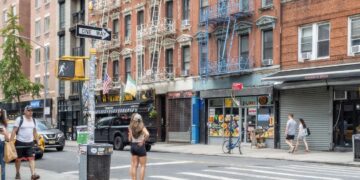







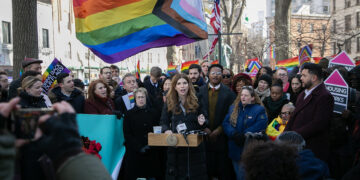



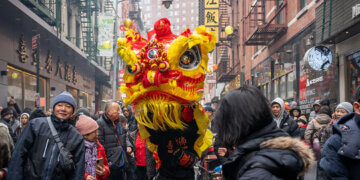


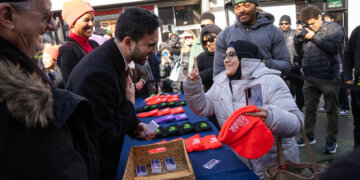















In the final days of 2025, the New York City Council passed a significant overhaul of the city’s street vending laws, a move that could reshape life on sidewalks, in neighborhoods, and within immigrant communities across the five boroughs. At its core, the legislation lifts barriers that have kept countless vendors on the margins of the city’s economy and criminalized the simplest act of earning a living.
For decades, New York’s street vending landscape has been shaped by rigid limits on permits and harsh penalties for operating without one. A cap on food vendor permits set in the 1980s left the city with roughly 3,000 licensed sellers at a time when thousands more were working without legal status. The resulting scarcity created an underground market in permits, where licenses could be rented or sold at exorbitant prices, and pushed many vendors into precarious, often undocumented work.
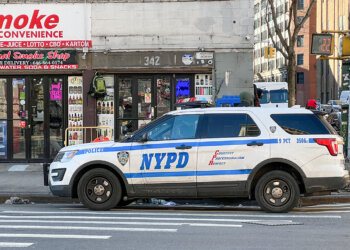
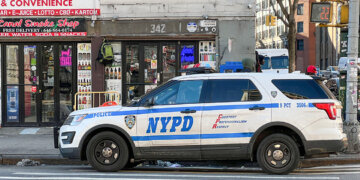
In 2021, reforms aimed at slightly increasing the number of available licenses began to chip away at those limits, but progress was slow and uneven. By 2024 and 2025, enforcement of vendor rules intensified, with police and city agencies issuing thousands of tickets and confiscating food and equipment from vendors who simply wanted to sell their goods on city streets.
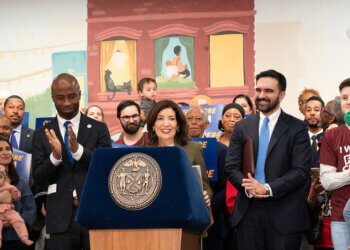
The new bill, part of a broader Street Vendor Reform Package passed on Dec. 18, seeks to address these long-standing inequities. It raises the cap on the number of food vendor permits and general vendor licenses available, significantly expanding the legal pathways for tens of thousands of vendors to operate legitimately. Advocates estimate that by 2031 there could be nearly 17,000 food vendor permits and more than 11,000 general vendor licenses, including allocations for veterans and people with disabilities.
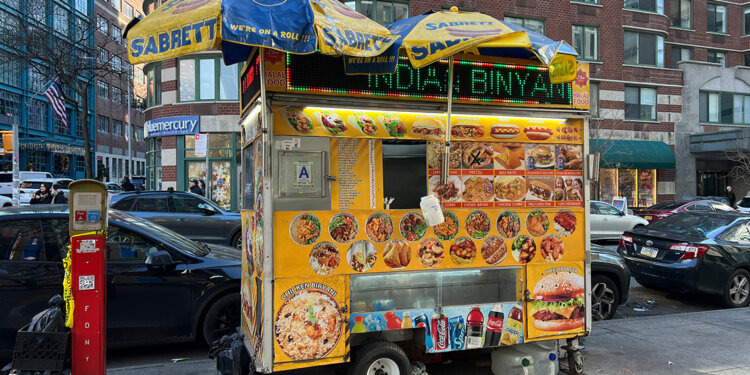
The significance of the bill extends beyond mere numbers. By enabling more vendors to work with legal protections, the city acknowledges the vital role these entrepreneurs play in local economies and neighborhood life. Street vendors are often small business owners, many of them immigrants, who use their carts and tables to support families, fund education, and root themselves in the urban fabric. Their food and goods reflect the city’s diversity and contribute to the character of neighborhoods from Sunset Park to Harlem.
Supporters say the bill levels the playing field and reduces the risks of punitive enforcement that in the past could lead to fines, confiscations, and even criminal records. Ending the criminal penalties attached to many vending violations was part of the reform pushed earlier in the year and has broad support among advocates who view vending as an engine of immigrant entrepreneurship.
Yet the expansion is not without critics. Some brick and mortar shop owners worry that more vendors could draw customers away from established businesses that pay rent and taxes. Others raise concerns about sidewalk crowding or the strain on public spaces if regulation does not keep pace with growth. These debates reflect deeper questions about how the city balances informal economies with traditional commercial districts.
Still, for many vendors and the communities they serve, this bill represents a big step toward fairness. It affirms that street vending is not a nuisance to be policed but a legitimate path to economic participation and a piece of the city’s social and cultural mosaic. As 2026 begins, the city’s sidewalks may tell a story of newfound opportunity, but also of the continuing effort to shape public space in ways that work for all New Yorkers.